Lake Michigan Circle Tour: All 4 States, One Local Guide (2026)
Updated April 2026 — All admission prices and hours verified against official websites.
Lake Michigan — nicknamed the “Caribbean of the North” — is one of the most rewarding road trip destinations in the country. Blue-green waters stretch to the horizon. Historic lighthouses dot the shoreline, and small towns packed with character wait around every bend.
During this circle tour of the lake, you’ll cover more than a thousand miles through two time zones and four states. You can complete the full loop in as little as four days, take a more relaxed seven to ten days, or linger for a month or more.
Ready to hit the road? Here’s everything you need to plan the perfect Lake Michigan road trip.
Wandering Michigan Wisconsin contains affiliate links. If you make a purchase using one of the links below, we may receive compensation at no extra cost to you. We only recommend products and services we use and trust.
Read our disclaimer for more information.
Road Trip Around Lake Michigan: Overview
This itinerary begins in Chicago, where deep-dish pizza and skyline views kick things off right. From there, you’ll head north through Wisconsin’s scenic and historically rich towns. Next comes Upper Peninsula Michigan, with its turquoise spring and famous pasties. After crossing the awe-inspiring Mackinac Bridge, you’ll explore the lower peninsula’s lighthouses, pristine beaches, and cherry pies. The loop closes through Indiana, where the sweeping sand dunes of a national park make for a grand finale.
The full loop covers roughly 1,100 miles and passes through Illinois, Indiana, Michigan, and Wisconsin. Without stops, the drive takes about 17 hours — but stopping is the entire point.
Time Zone Note: The loop crosses two time zones. Illinois, Wisconsin, and northwestern Indiana (including the Indiana Dunes area) are on Central Time. Michigan — both the Upper and Lower Peninsulas — is on Eastern Time, one hour ahead. The clock change happens at the Wisconsin-Michigan state line near Menominee. Set your clock forward one hour when you enter Michigan, and back one hour when you return to Indiana or Wisconsin. Missing this change is the most common reason travelers arrive late for timed tours and lighthouse visits along the Michigan portion of the route.
All four states on this loop observe Daylight Saving Time, so the one-hour difference between Central and Eastern Time stays consistent year-round — the gap never changes regardless of season. What does change is available daylight and attraction operating seasons. Travelers driving in early spring or late fall face a compounded timing challenge: shorter daylight hours plus seasonal closures that make the narrow attraction windows even harder to hit. Colonial Michilimackinac opens May 6 and closes October 11. Windmill Island Gardens opens April 13 and closes October 4. Big Sable Point Lighthouse tours run May through October only. Arriving outside those seasonal windows means a closed gate regardless of what time your clock shows. Winter drivers should plan Michigan attraction stops for morning departures — Sand Point Lighthouse closes at 4 pm, and November daylight runs out fast.

Plan Your Trip With My Favorite Resources
Best accommodation site: Booking.com
Book day tours here: Viator.com
Purchase travel insurance here: SafetyWing
Best Time to Drive Around Lake Michigan
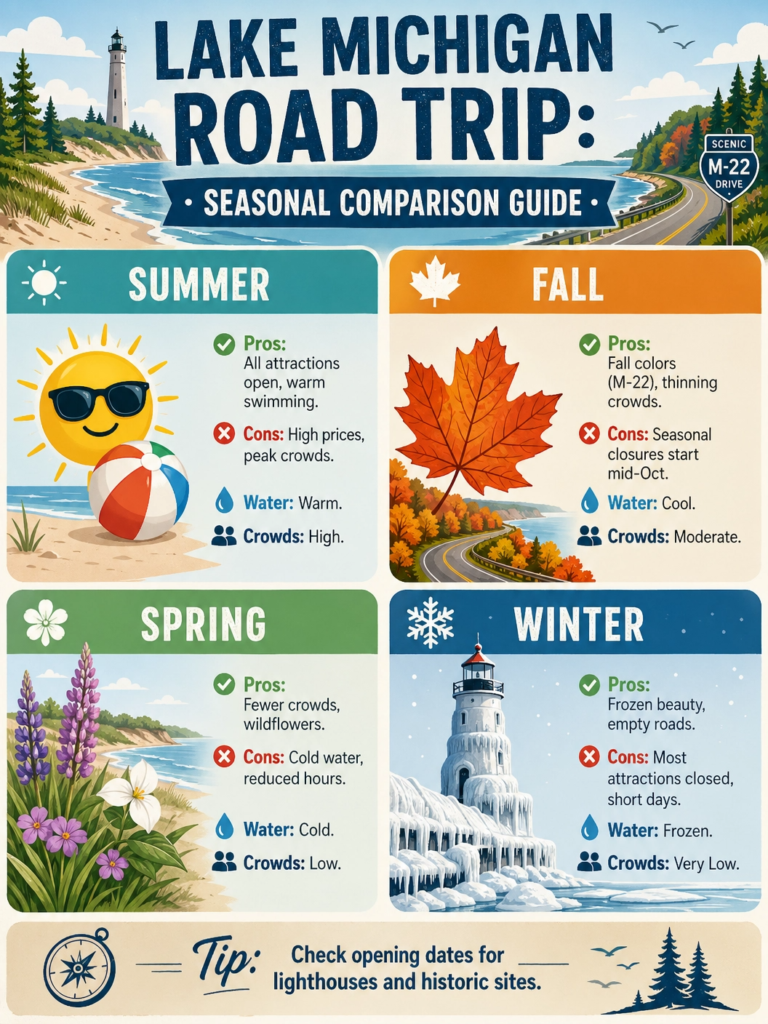
Summer (late June through August) is the most popular season, with warm water for swimming, long daylight hours, and a full calendar of harbor festivals. Expect higher prices, heavier traffic near Chicago and Milwaukee, and lodging that books out months in advance for waterfront properties. All attractions are open and operating at full hours — the best season for hitting every stop on this itinerary without worrying about closures.
Early fall (September through mid-October) is many experienced travelers’ favorite time. The lake still holds summer warmth, crowds thin noticeably, and the maples and birches along Michigan’s M-22 corridor glow with color. Prices drop and availability opens up. All major attractions remain open through mid-October — Colonial Michilimackinac closes October 11 and Windmill Island Gardens closes October 4, so plan accordingly if your trip runs into the second week of October.
Spring (May through early June) is quieter and beautiful for wildflowers and dune hikes, though the lake stays cold for swimming. Some seasonal attractions have just opened — Colonial Michilimackinac opens May 6, Windmill Island Gardens opens April 13, and Big Sable Point Lighthouse tours begin in May. Verify hours for any timed attraction before you go, as early-season schedules are often reduced from peak summer hours.
Winter brings a different kind of beauty — frozen lighthouses and empty roads stretching for miles. Snowshoeing at Ludington State Park is worth the cold. Most seasonal attractions are closed from November through April. Daylight hours are short on the Michigan portion of the route — plan all Michigan stops for morning departures, as attractions like Sand Point Lighthouse close at 4 pm and November darkness arrives well before dinner. The time zone change into Eastern Time means you lose an hour of daylight earlier than you expect.
Sample 7-Day Lake Michigan Road Trip Itinerary
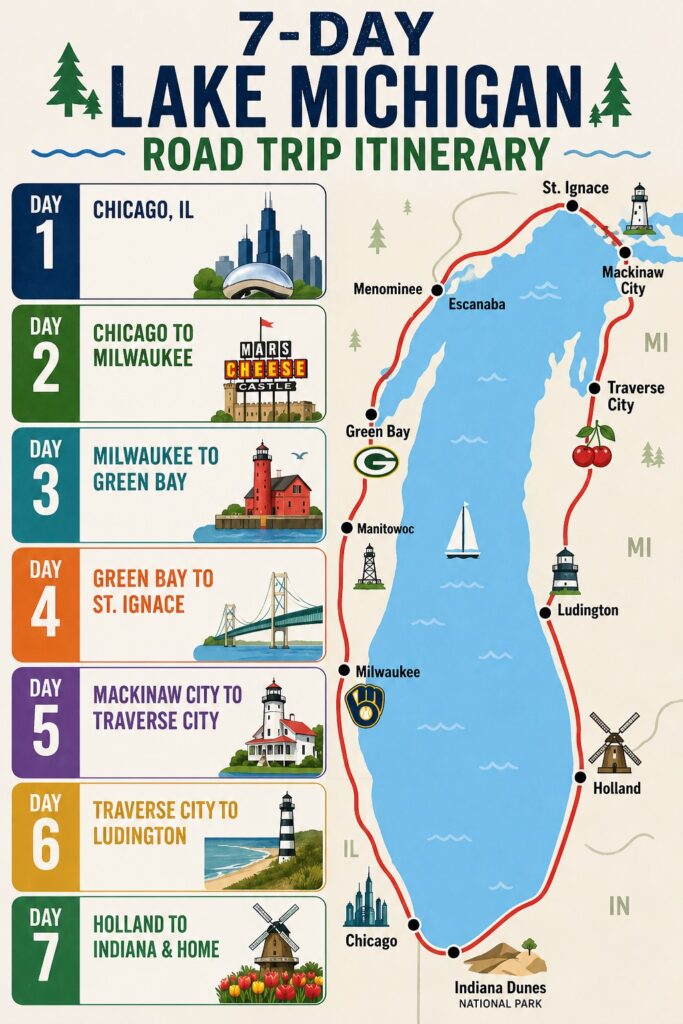
- Day 1 — Chicago, Illinois Arrive in Chicago. Visit Willis Tower Skydeck and the Bean in Millennium Park. Have dinner at Lou Malnati’s Pizzeria.
- Day 2 — Chicago to Milwaukee Morning: Illinois Holocaust Museum Experience360 or Chicago Botanic Garden. Afternoon: drive north, stop at Mars Cheese Castle in Kenosha. Evening: arrive Milwaukee, visit Kopp’s Frozen Custard and Grant Park.
- Day 3 — Milwaukee to Green Bay Morning: Milwaukee Public Market or Summerfest (if in season). Drive north through Harrington Beach, Sheboygan, and the Wisconsin Maritime Museum in Manitowoc. Optional Door County detour. Evening: arrive Green Bay.
- Day 4 — Green Bay to St. Ignace Drive through Menominee and Escanaba. Detour to Kitch-iti-kipi spring at Palms Brook State Park. Arrive St. Ignace, pick up pasties at Lehto’s, eat at Bridge View Park watching the Mackinac Bridge.
- Day 5 — Mackinaw City to Traverse City Morning: Colonial Michilimackinac and Old Mackinac Point Lighthouse. Afternoon: scenic drive through the Tunnel of Trees to Harbor Springs, then to Traverse City. Evening: cherry pie at Grand Traverse Pie Company.
- Day 6 — Traverse City to Ludington Morning: Sleeping Bear Dunes National Lakeshore and Pierce Stocking Scenic Drive. Afternoon: drive south to Ludington State Park, hike to Big Sable Point Lighthouse. Evening: folk music at the outdoor amphitheater.
- Day 7 — Holland to Indiana and Home Morning: Windmill Island Gardens in Holland. Afternoon: drive south through South Haven and Benton Harbor to Indiana Dunes National Park. Complete the loop back toward Chicago.
Begin the Drive in Illinois
You can start your Lake Michigan road trip at any point along the route. If you’re flying in, Chicago is the most practical choice — it’s a major hub with affordable flights and plenty of car rental options.
1. Willis Tower Skydeck
Welcome to Chicago – home to remarkable pizza and the famous Bean on Michigan Avenue
Start with Willis Tower. This iconic skyscraper soars 1,450 feet into the sky, and the glass ledge of the Skydeck puts the full expanse of Lake Michigan right beneath your feet.
Note: Book Skydeck tickets in advance — they often sell out. General admission is $32 for adults and $24 for children ages 3–11. Children 2 and under are free. Check theskydeck.com for current pricing and timed entry options.
After the tower, stroll Michigan Avenue and stop at the Bean in Millennium Park. Lou Malnati’s Pizzeria is the right call for lunch or dinner.
Accessibility: The Skydeck offers elevator access to the 103rd floor and is fully wheelchair accessible throughout. Audio descriptive guides are available for visitors with visual impairments. Loaner wheelchairs are available on request at the main entrance. Contact the Skydeck in advance at (312) 875-9696 to arrange specific accommodations.
Dogs: Pets are not permitted inside Willis Tower or on the Skydeck. Service animals are welcome with proper identification. Leave dogs in your hotel or arrange pet care before your Skydeck visit
2. Illinois Holocaust Museum — Experience360
The Illinois Holocaust Museum is one of the most moving stops on this entire journey.
Important note for 2026 visitors: The original Skokie location is currently closed for
renovations. The museum is operating a downtown Chicago satellite called Experience360 at 360 N. State Street. The interactive hologram exhibit allows you to ask questions of a Holocaust survivor and hear their recorded answers — a profound and deeply human experience.
Experience360 is open seven days a week, 10 am to 5 pm. Free admission is offered on the last Wednesday of each month. Visit ilholocaustmuseum.org for current admission pricing before you go.
Accessibility: The downtown Experience360 location is fully wheelchair accessible.
Dogs: Pets are not permitted inside Experience360. Only certified service animals are welcome. Plan pet care arrangements before your visit.
3. Chicago Botanic Garden
If you love gardens, the Chicago Botanic Garden in Glencoe is worth the stop. Its 385 acres stretch across footbridges and waterways, with some of the most beautiful plant displays in the Midwest waiting at every turn.
Depending on the season, you may encounter the sensory garden, the butterfly garden, or the model railroad. Dining options and a gift shop are on site.
The garden sits about 25 miles north of downtown Chicago and is open to the public daily from 10 am to 6 pm. The garden uses dynamic plan-ahead pricing — admission ranges from $9.95 to $25.95 per person depending on the date. Parking is a flat $8 fee year-round. Visit chicagobotanic.org to purchase tickets before you go.
Accessibility: The garden is largely accessible by wheelchair or mobility aid, with paved paths throughout most of the 385 acres. Wheelchairs are available for loan on site.
Dogs: The Chicago Botanic Garden does not allow pets except certified service animals.
Route Tip: Leaving the garden, stay on Highway 41 north. To hug the lakeshore, take
Highway 137 through Waukegan. In Kenosha, a quick detour brings you to Mars Cheese Castle before rejoining I-43 toward Milwaukee.
Chicago Traffic and Tollway Warning: Traffic on I-94 northbound out of Chicago toward Milwaukee is consistently heavy, with the worst congestion running from approximately 3:30 pm to 7 pm on weekdays — and Friday afternoons in summer can add one to two hours to what should be a 90-minute drive. The best departure windows are before noon or after 7 pm. Midweek departures avoid the worst of it entirely.
One critical detail out-of-state visitors often miss: the Illinois Tollway system — including I94, I-90, and I-294 — is now fully cashless. There are no cash lanes on these roads. You need an I-PASS or E-ZPass transponder, or you can use the Pay By Plate system, which allows you to pay online at illinoistollway.com within 14 days of travel using your license plate number. If you rent a car, ask your rental company about their toll policy before you leave the lot — fees and surcharges vary. The Chicago Skyway (near the Indiana border) is the one exception and still accepts cash and credit cards at its toll plaza.
Where to Stay in Chicago
Millennium Knickerbocker Hotel Chicago is a 4-star historic landmark one block off the Magnificent Mile, opened in 1927. It sits steps from the John Hancock Center and Oak Street Beach on Lake Michigan, with the Museum of Contemporary Art around the corner. Rooms feature Frette linens on pillowtop mattresses, with complimentary wifi throughout. The NiX Restaurant serves breakfast and brunch on site, and the Martini Bar offers an extensive cocktail menu with live jazz piano on select evenings. A 24-hour gym is available to guests.
Check Rates and Book a Stay at Millennium Knickerbocker Hotel Chicago
Head North to Wisconsin
Wisconsin means cheese, frozen custard, and some of the most unexpected detours in the Midwest. Let’s go.
4. Milwaukee
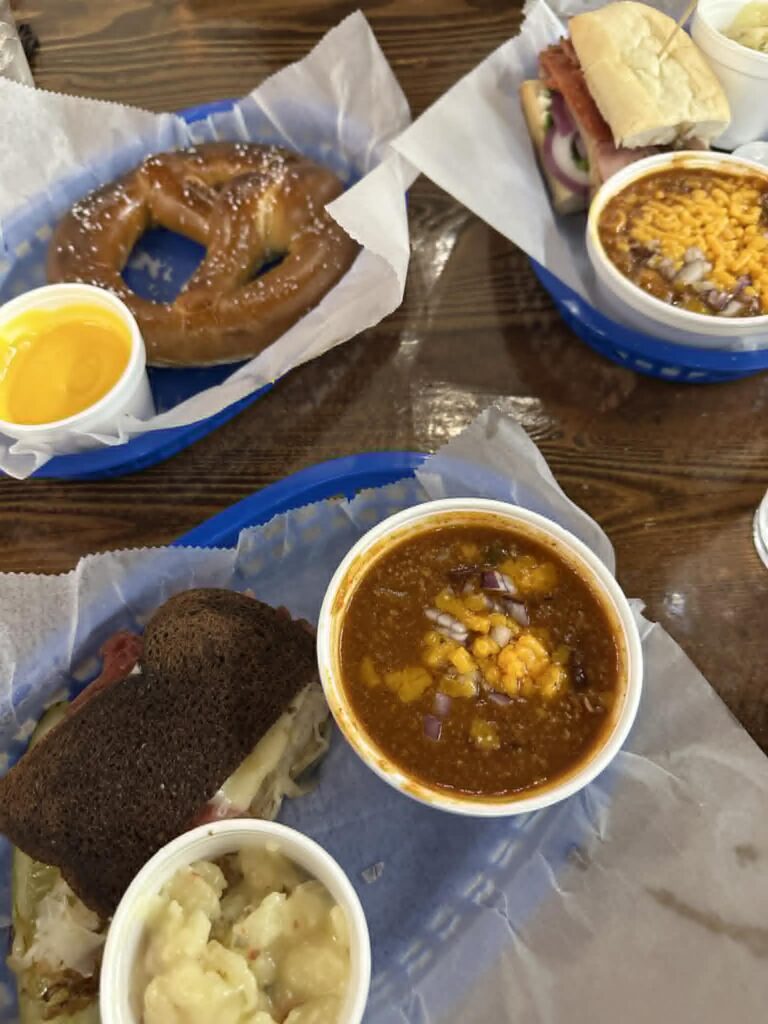
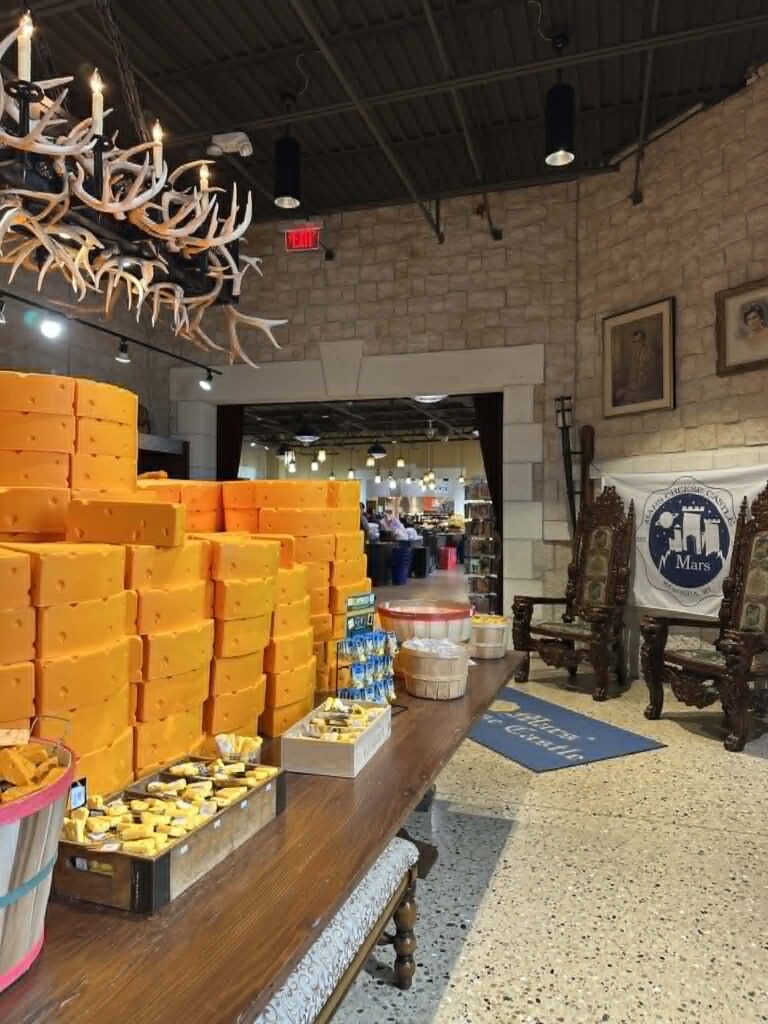
Before reaching Milwaukee, pull over at Mars Cheese Castle — a wonderland of aged cheddars, smoked meats, and deli sandwiches. Open 9 am to 7 pm daily.
 Mars Cheese Castle
 Mars Cheese Castle
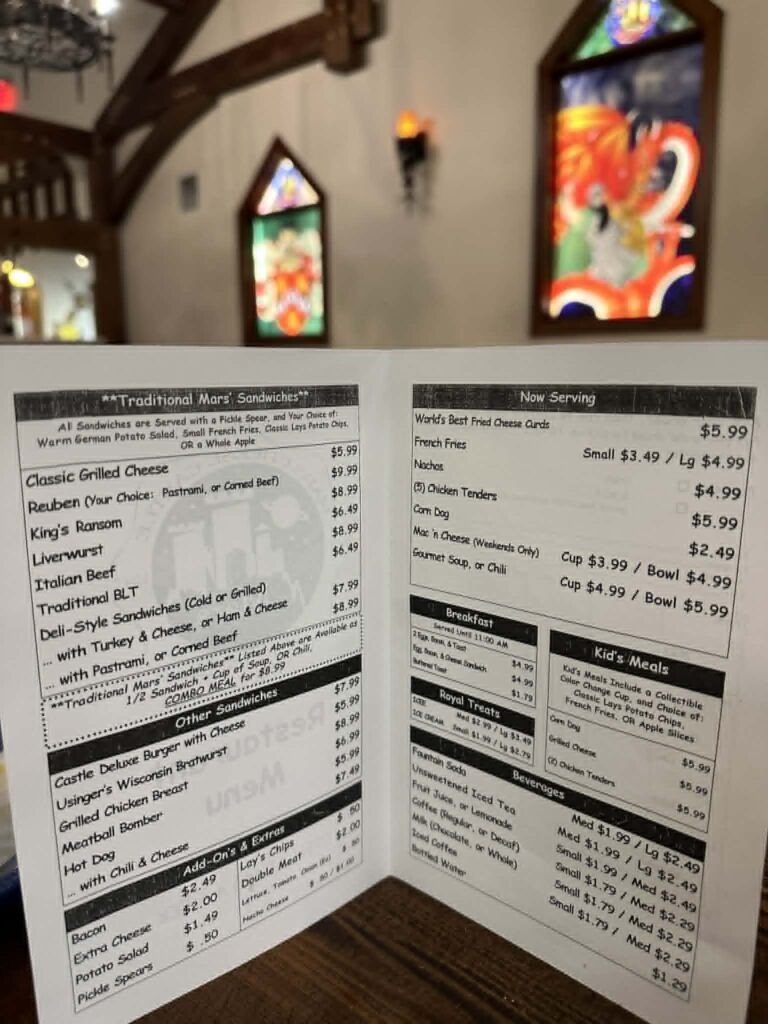 Mars Cheese Castle
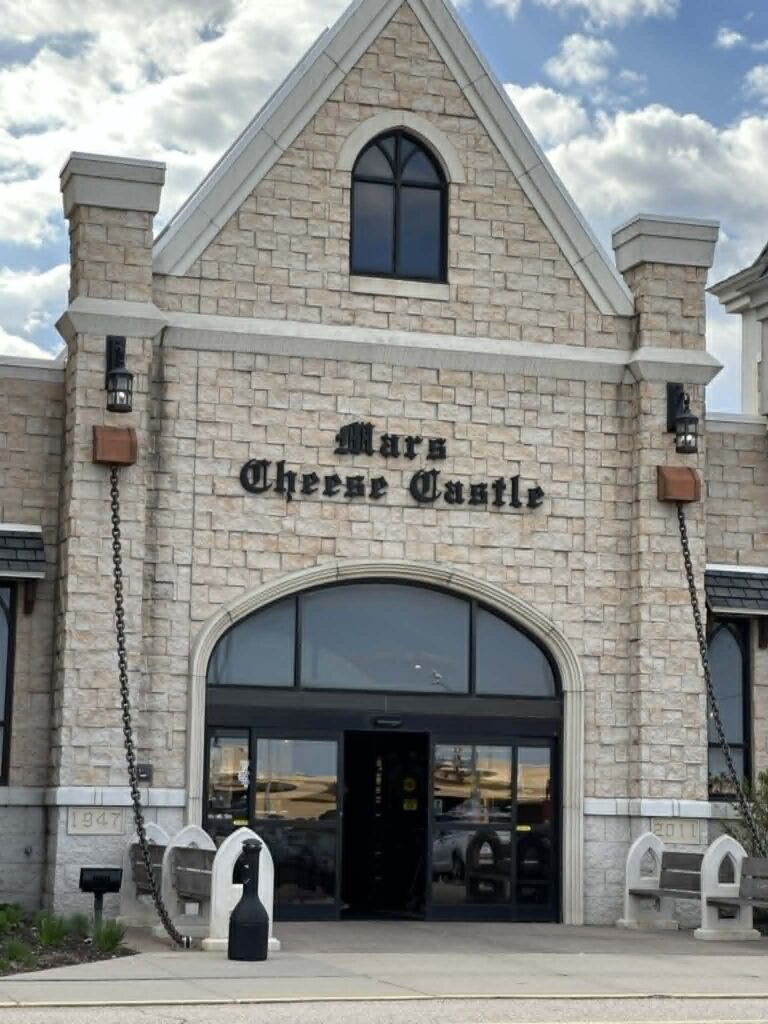 Mars Cheese Castle
In Milwaukee, head to Kopp’s Frozen Custard, a Milwaukee institution since 1950. Rotating flavors of the day join the classic chocolate and vanilla. Three locations are open 10:30 am to 10 pm (11 pm on Fridays and Saturdays).
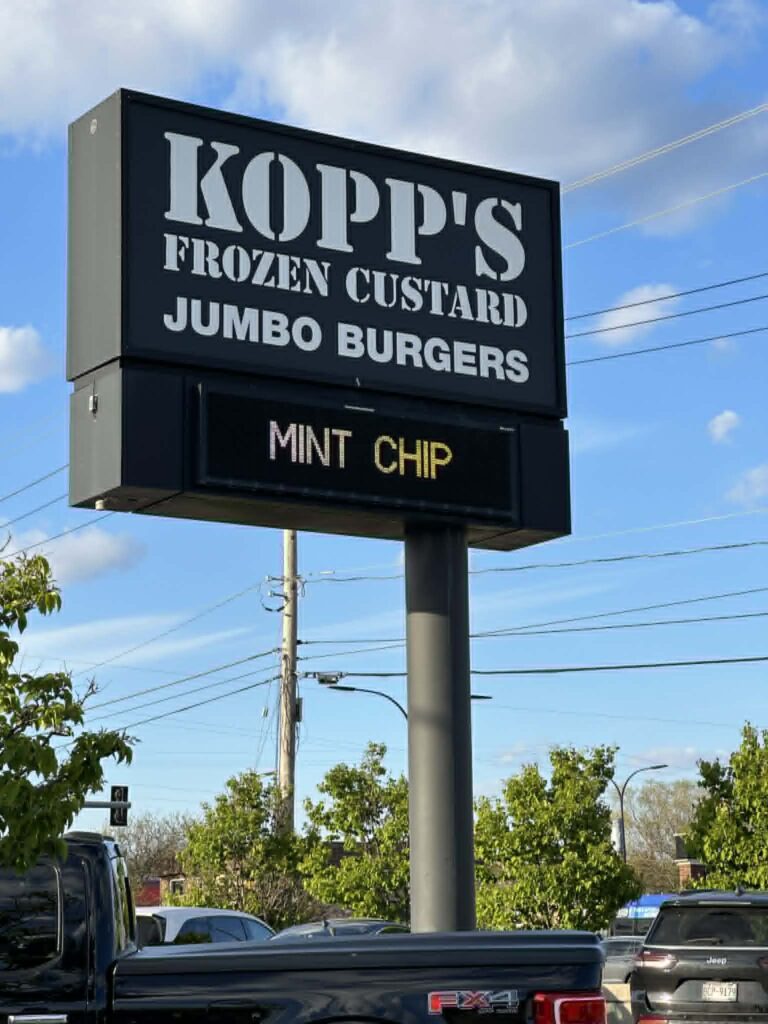 Kopp’s Frozen Custard
 Kopp’s Frozen Custard
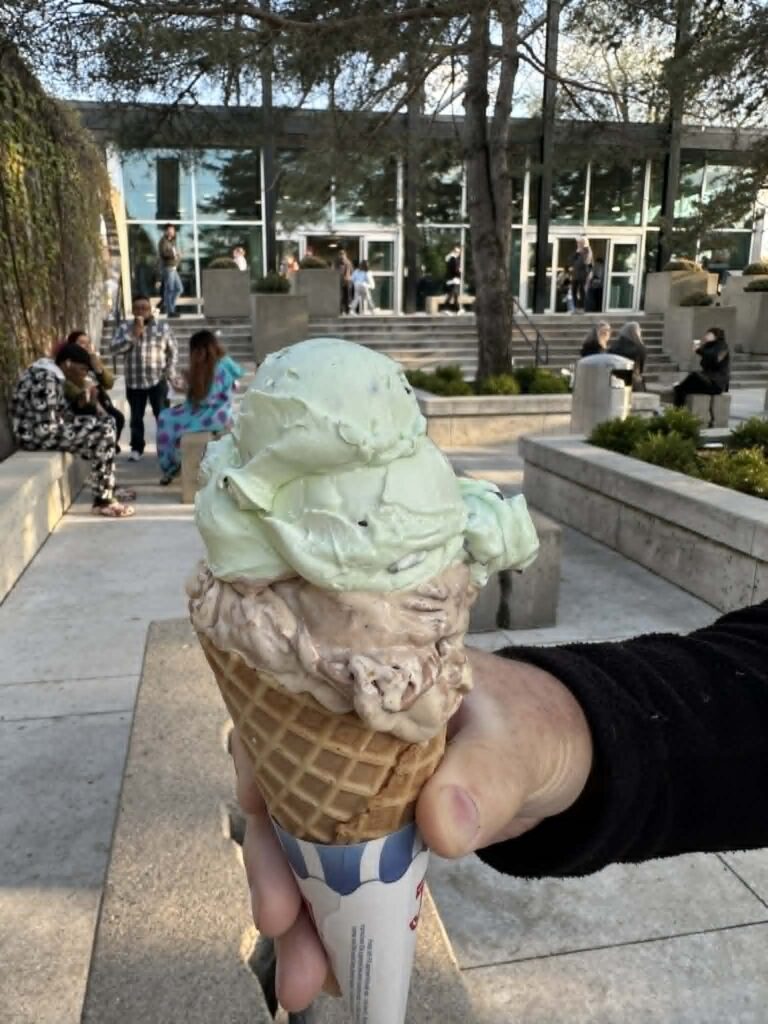 Kopp’s Frozen Custard
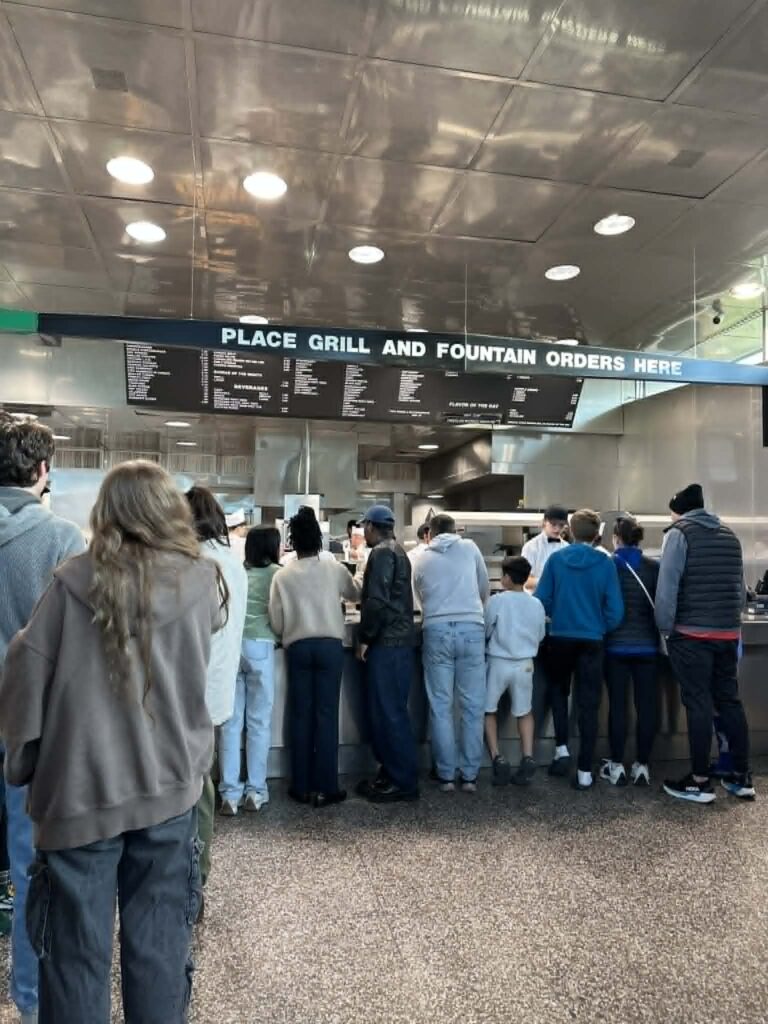 Kopp’s Frozen Custard
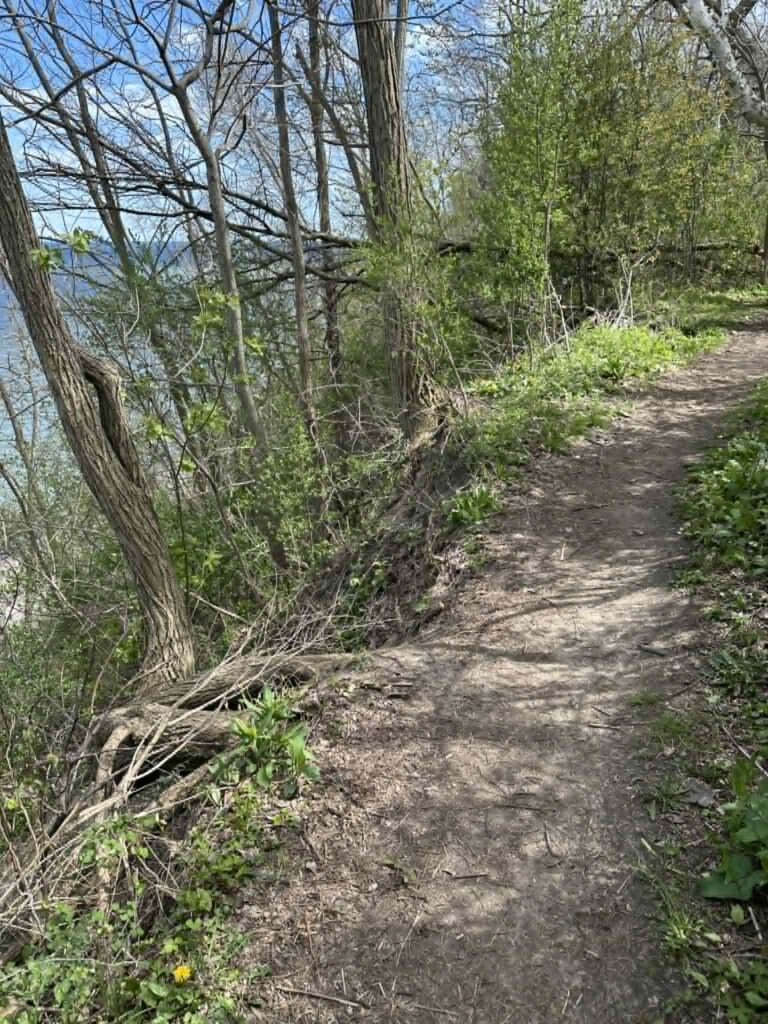
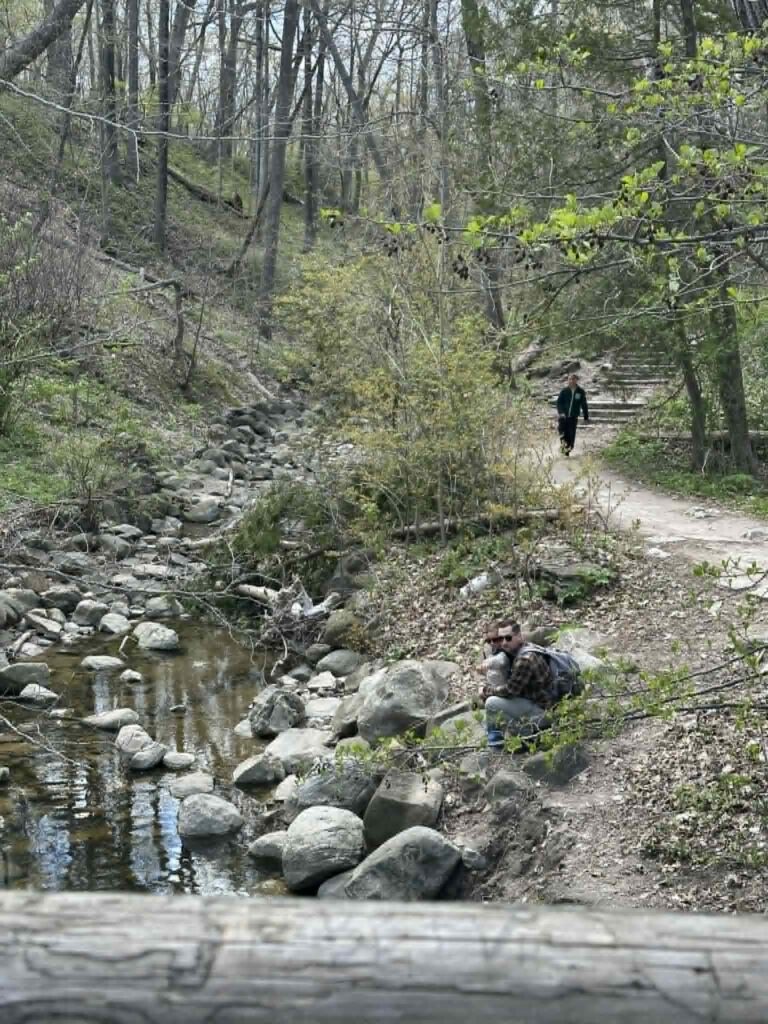
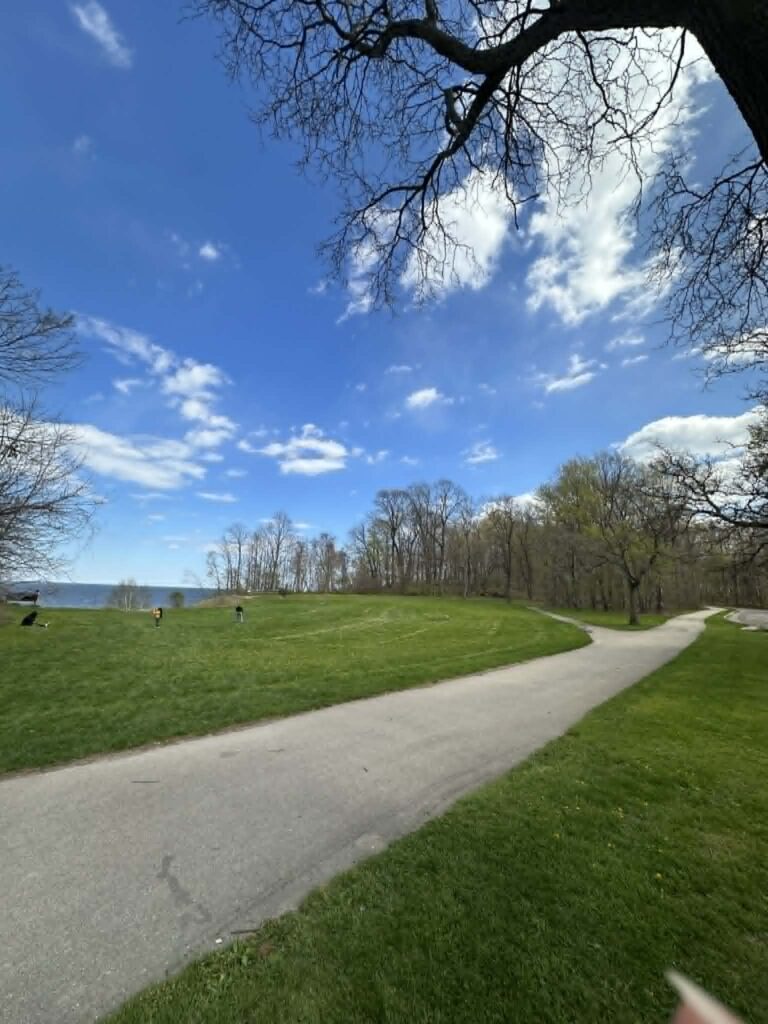
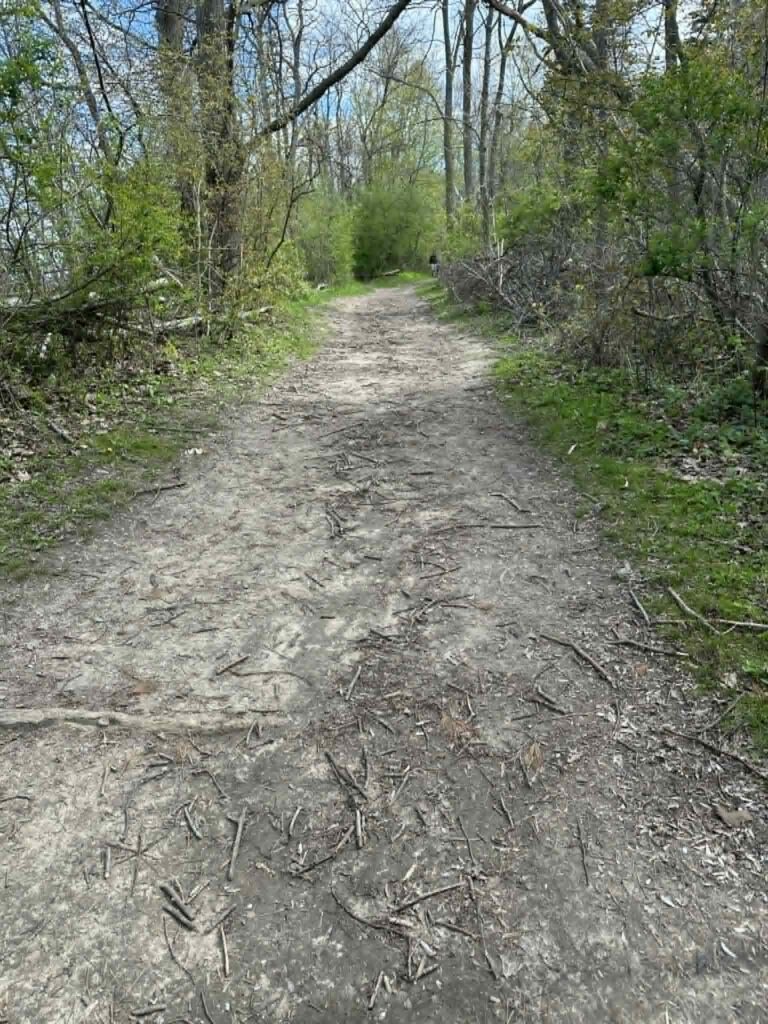
Grant Park is another worthwhile stop — one of the oldest parks in the county, dating to 1911. Walk the two-mile Seven Bridges Trail, which winds through ravines and crosses its namesake bridges.
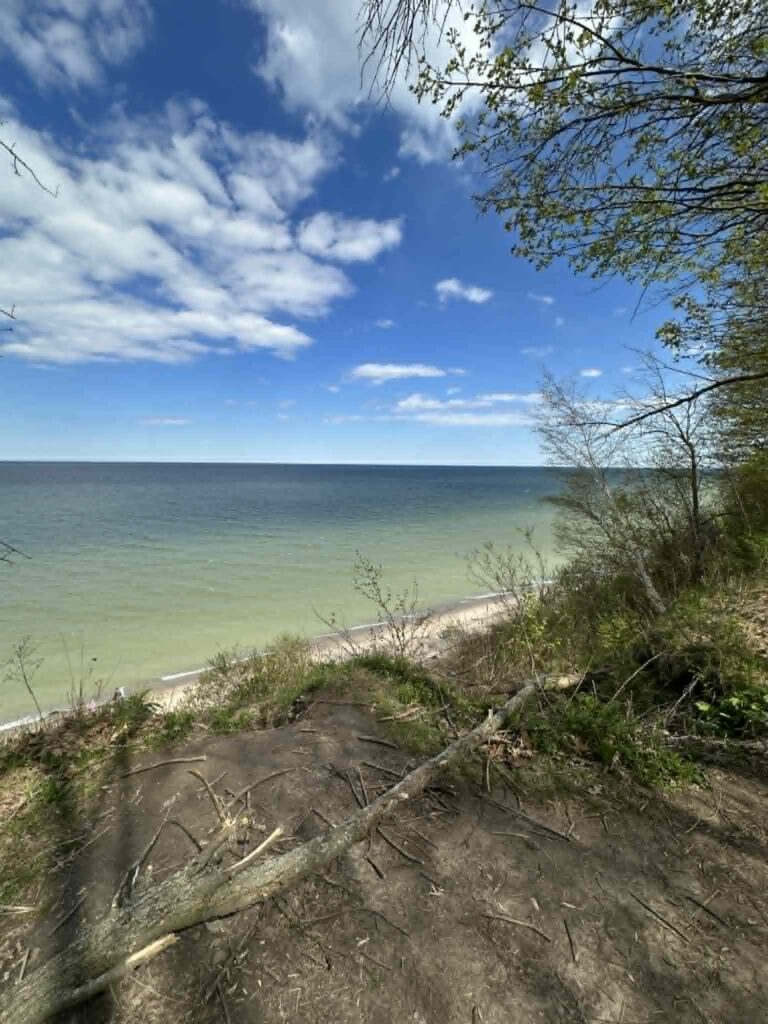 Grant Park lakefront view with trees and Lake Michigan shoreline
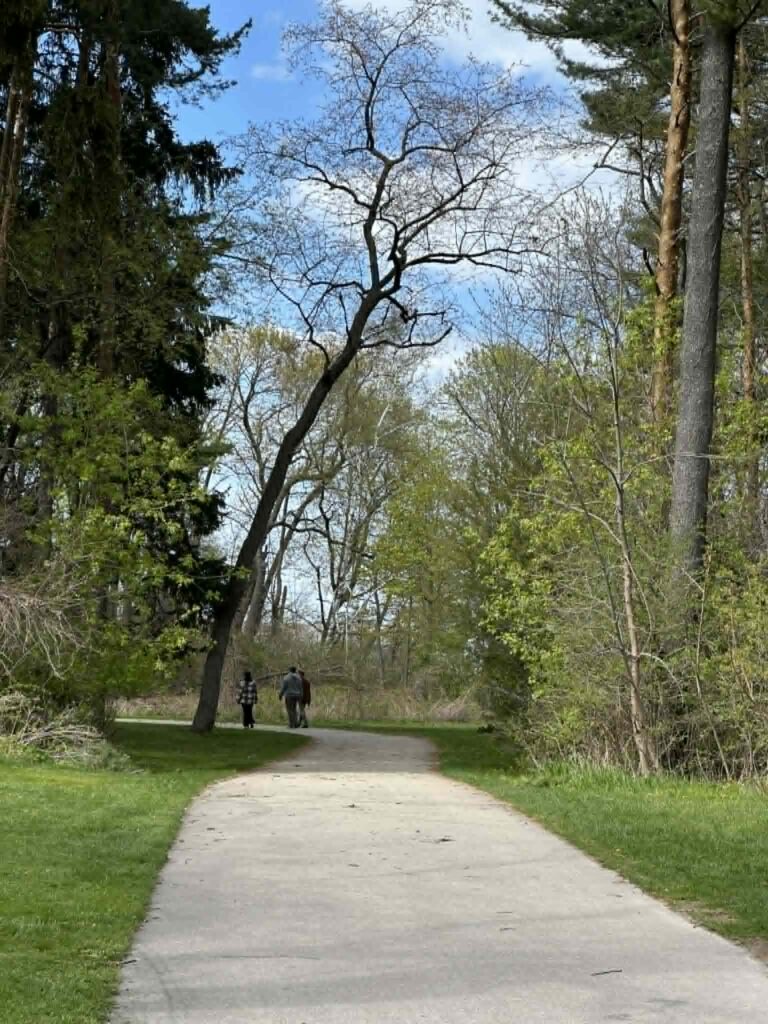 Paved trail through Grant Park with accessible walking path
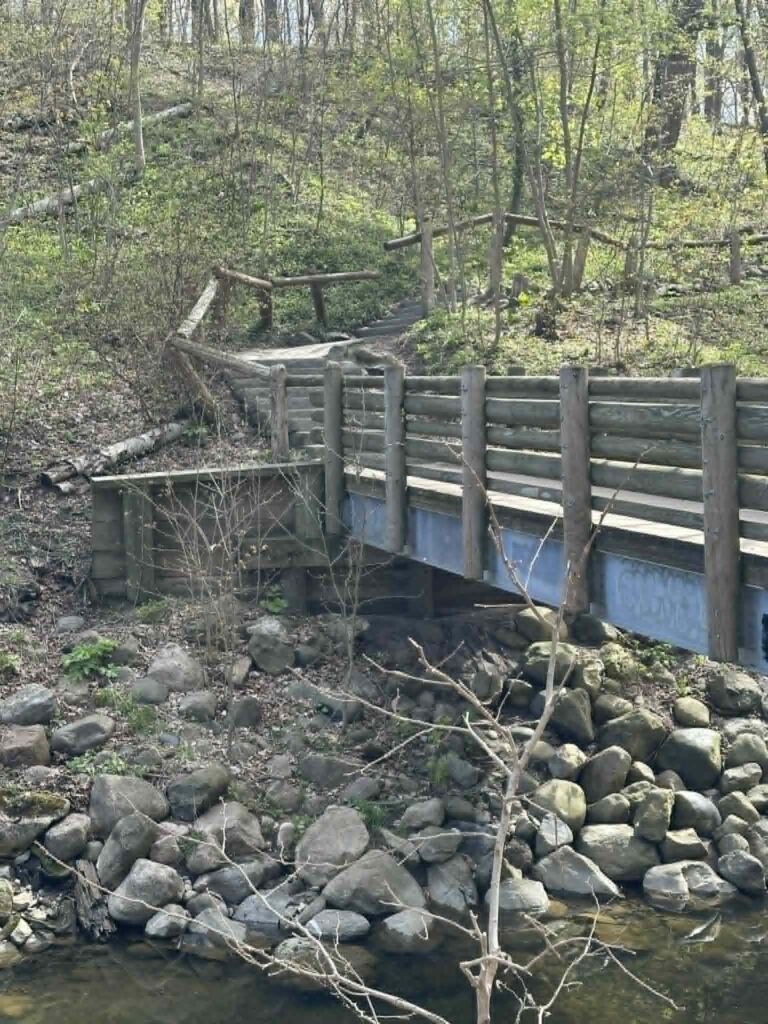 Wooden bridge crossing over ravine on Seven Bridges Trail
 Grant Park
 Visitors walking along trails in Grant Park near the lake
 Paved trail through Grant Park with accessible walking path
 Open green space at Grant Park with walking paths and shaded areas
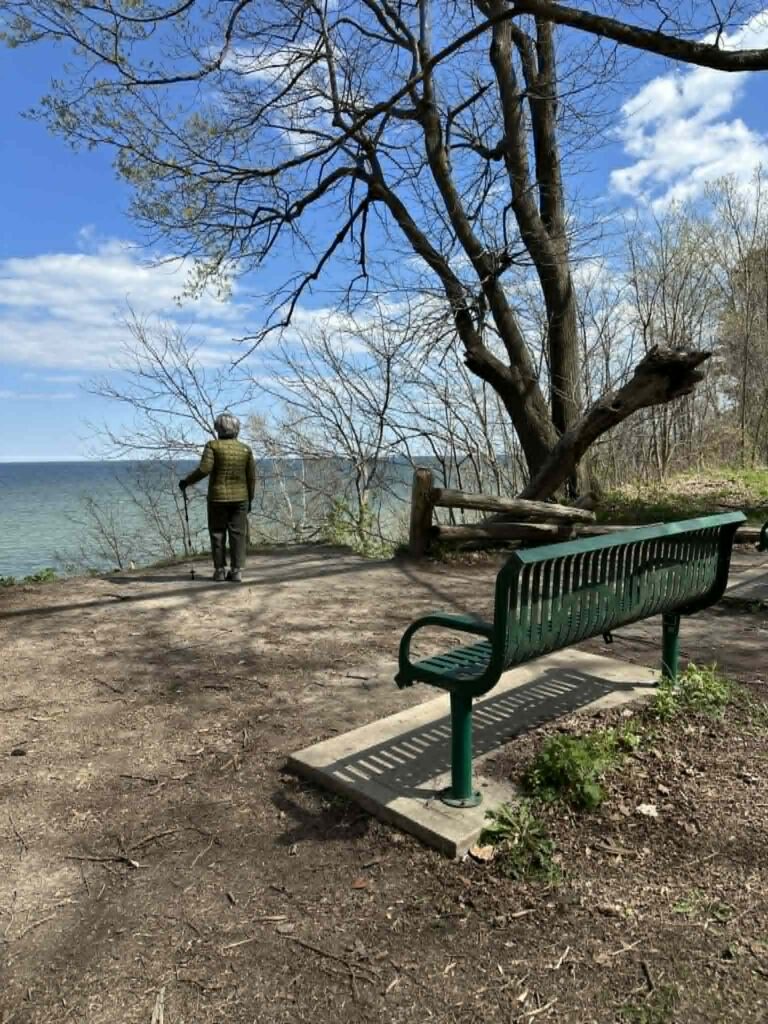 Wooden bench in Grant Park overlooking Lake Michigan shoreline
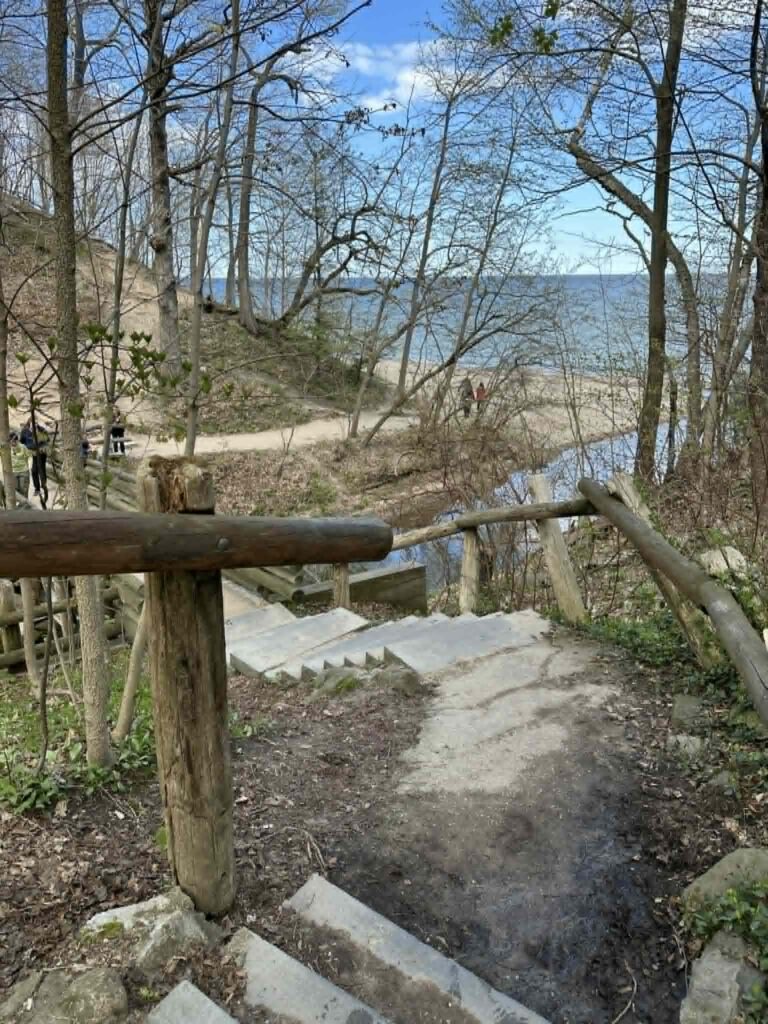 Stone staircase along Seven Bridges Trail
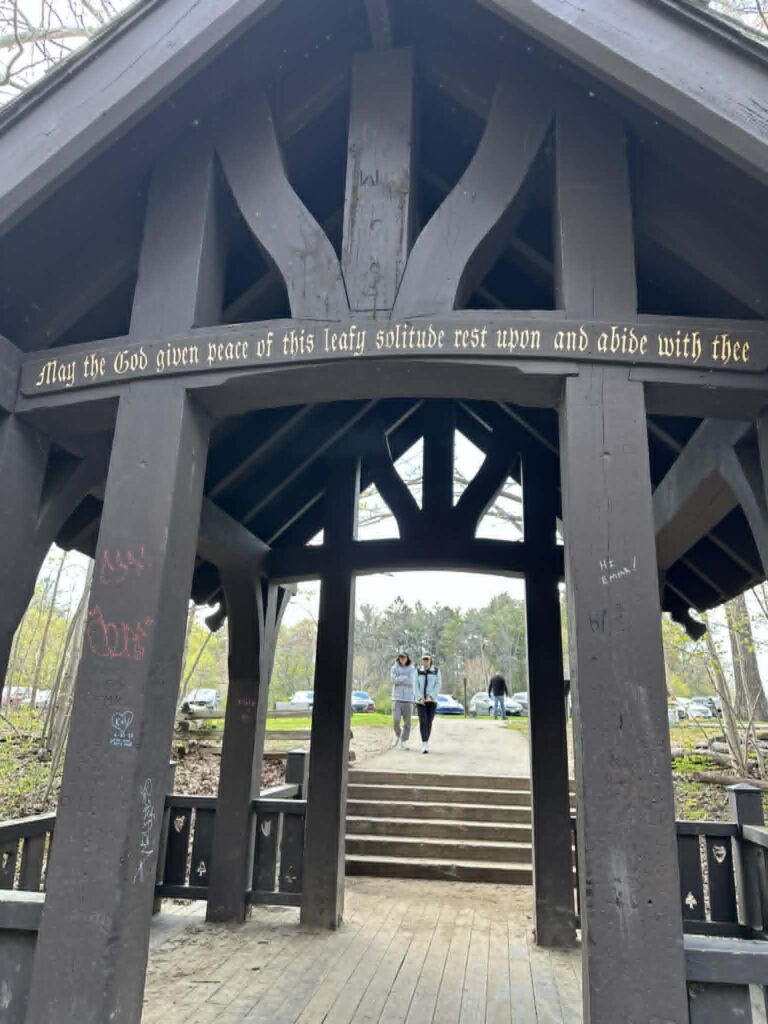 Grant Park
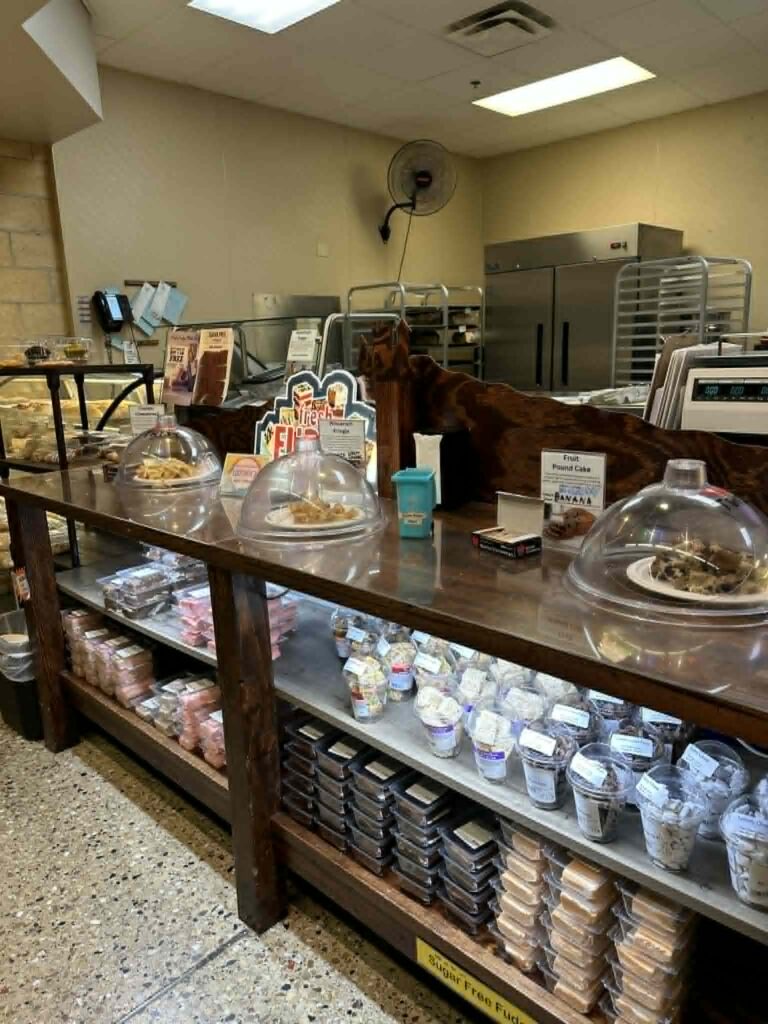
If your visit falls in late June or early July, Milwaukee Summerfest is happening — widely considered the largest music festival in the world. The Milwaukee Public Market brings together vendors and restaurants under one roof, with cooking classes running through the week, Saturday 10 am to 8 pm and Sunday 10 am to 6 pm.
 Milwaukee Public Market
 Milwaukee Public Market
 Milwaukee Public Market
 Milwaukee Public Market
 Milwaukee Public Market
 Milwaukee Public Market
Accessibility: Grant Park’s Seven Bridges Trail involves uneven terrain and is not fully
accessible for mobility aids. The Milwaukee Public Market is fully accessible with groundlevel entry.
Dogs: Dogs are welcome in Grant Park on leash. The Milwaukee Public Market does not allow pets inside.
Route Tip: Take I-43 north from Milwaukee for easy access to Harrington Beach and Sheboygan.
Where to Stay in Milwaukee
Knickerbocker on the Lake is a historic 1933 property sitting directly on the Lake Michigan shoreline, a four-minute walk from the waterfront and steps from the Milwaukee Art Museum and Veterans Park. Every room includes a full kitchen or kitchenette — a practical bonus on a long road trip. The Knick Restaurant serves American cuisine with an outdoor patio overlooking the lake, the Knick Salon & Spa offers massage and skin care services, and bike rentals are available for exploring the lakefront trail. Couples rate this property 9.6 on Booking.com.
Check Rates and Book a Stay at Knickerbocker on the Lake
5. Harrington Beach
Just north of Milwaukee, Harrington Beach State Park offers a mile-long stretch of sand along Lake Michigan and a lovely limestone quarry lake. It’s a good spot to stretch your legs, picnic, or camp. Day admission is $11 per car.
Accessibility: Harrington Beach is one of the most accessible state parks on the entire Lake Michigan loop. The park offers a paved path directly to the beach, a universal playground, accessible picnic shelters, and an accessible campsite. A beach wheelchair — with large inflatable tires for easy maneuvering on sand — is available at no charge from the park office. The park also has one of Wisconsin’s ten fully ADA-accessible cabins in the state park system, featuring roll-in shower, wheelchair-accessible kitchen counters, and a bedroom sized for wheelchairs and attendants. Call the park office at (262) 285-3015 before your visit to confirm equipment availability.
Dogs: Leashed pets are welcome at Harrington Beach State Park.
6. Sheboygan
Sheboygan holds a few unexpected claims to fame: the World Bratwurst Eating Contest, the tallest flagpole in the United States at 338 feet, and the Dairyland Surf Classic — the largest freshwater surfing competition in the world.
For an upscale overnight, Destination Kohler delivers a full resort experience with its own spa and championship golf course. For something more local, Majerle’s Black River Grill is a beloved Wisconsin supper club — reserve ahead and arrive hungry for the brat or the perch. Current hours are Wednesday through Saturday 3 pm to 9 pm, Sunday 3 pm to 8 pm.
Accessibility: Majerle’s Black River Grill is a single-story supper club with ground-level entry. Call ahead at (920) 452-2740 to confirm accessible parking and seating availability as the restaurant does not publish detailed accessibility information on its website.
Dogs: Pets are not permitted inside Majerle’s Black River Grill. The restaurant does not have a confirmed outdoor patio seating area for dogs. Leave pets at your lodging for this stop.
7. Wisconsin Maritime Museum
In Manitowoc, the Wisconsin Maritime Museum is a Smithsonian-affiliated gem. The
highlight is a tour of the USS Cobia, a fully intact WWII submarine. Interactive exhibits and firsthand stories from submarine veterans fill out the experience.
Hours vary by season. Regular season (October through Memorial Day): Thursday–Monday, 10 am–4 pm, closed Tuesday and Wednesday. Summer (Memorial Day through October 1): open daily 9 am–5 pm.
Admission is $20 for adults, $13 for youth ages 4–12, free for children 3 and under. Visit wisconsinmaritime.org for current details.
Accessibility: The museum building is fully accessible. The USS Cobia submarine tour involves narrow hatches and steep ladders — contact the museum in advance about self-guided accessible options. Free admission is available for caregivers accompanying individuals with disabilities.
Route Tip: To add Door County, exit I-43 in Manitowoc and take Highway 42 north through Two Rivers to Sturgeon Bay.
8. Door County
Door County is a peninsula that rewards slow travel. Beaches, state parks, and working farms share space with wineries and professional theater on this narrow strip of land stretching into Lake Michigan.
It’s easy to skip Door County and many itineraries do. But if you have the time, it’s one of the most beautiful areas in Wisconsin.
Cave Point County Park, Sturgeon Bay is famous for its wave-carved limestone caverns and dramatic coves. Kayaking here on a calm morning is something you won’t forget.
Accessibility: Cave Point County Park has limited accessibility. The shoreline is reachable from the parking area via a short flat walk — several visitors note the lake views are accessible directly from the parking lot edge. However, the half-mile hiking trail through the forest involves uneven terrain, tree roots, and rocky surfaces that are not suitable for most mobility aids. The park has accessible restrooms and picnic tables. For visitors with significant mobility limitations, the lakeside view from the parking area is the most practical option.
Northern Sky Theatre, Fish Creek brings professional outdoor theater to a wooded setting during the summer season.
Door County Trolley, Egg Harbor runs scenic lighthouse and wine tours in iconic red trolleys — ghost tours run in season too.
Accessibility: The Door County Trolley operates vintage-style open-air trolleys. Accessibility varies by tour — contact the trolley directly at (920) 868-1100 before booking to confirm availability of accessible boarding options for your specific tour. Not all trolleys have lift access.
Dogs: Leashed, well-behaved dogs are welcome on Door County Trolley tours. Confirm with the trolley when booking as policies may vary by tour type.
9. Green Bay
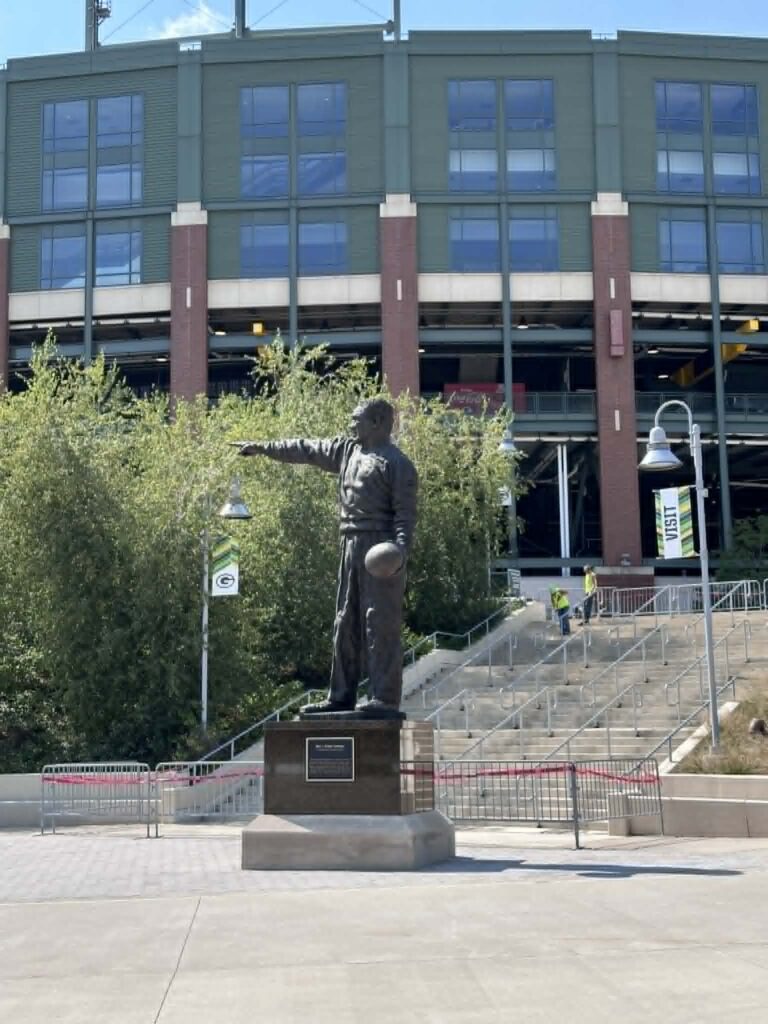
Green Bay — Titletown, home of the Packers — is your next stop heading west.
If you’re arriving from Door County, Wequiock Falls County Park makes a lovely picnic
stop. A short trail leads to a waterfall set in a ravine carved from Niagara escarpment rock. It’s most dramatic in spring but has its own appeal in autumn and winter.
In the city, tour Lambeau Stadium and the Green Bay Packers Hall of Fame, or find
something more offbeat at the Art Garage, a community arts organization in a converted cannery with live music and open studio sessions. If you’re in town on a Thursday, the Titletown Night Market brings food trucks and live music to the stadium district.
Accessibility: Stadium tours are fully accessible. Wheelchairs and scooters are available at the Guest Services desk in the Atrium at no charge — bring a photo ID for the loan. The Atrium and all tour routes include elevator access throughout. Sign language interpreters can be arranged in advance by contacting the Hall of Fame. For specific accommodation requests contact (920) 569-7512.
Route Tip: From Green Bay, take Highway 41 north toward Marinette, Wisconsin and
Menominee, Michigan.
Dogs: Lambeau Field follows Green Bay city ordinance regarding animals in public spaces. Only certified service animals are permitted inside Lambeau Field and the Atrium. Do not bring pets to this stop.
Where to Stay in Green Bay
Astor House is a distinctive inn about eight kilometers from the Railroad Museum. Rooms include a seating area, wifi, and air conditioning — some with balconies and dining areas. A guest hot tub is available on site.
Check Rates and Book a Stay at Astor House
Explore Michigan’s Upper Peninsula
Leaving Wisconsin, the road opens up into the Upper Peninsula — sparse and wild, full of surprises. Cities are few, but the stops you’ll make are genuinely memorable.
10. Menominee
Just across the state line from Marinette, Wisconsin, Menominee is named for the
Menominee people — the name means “Wild Rice.” The historic downtown is worth a slow walk, and Stephenson Bakery Inc. is the place to stop for a fresh doughnut before pressing on.
Time Zone Change — Set Your Clock Forward One Hour: The moment you cross from Marinette, Wisconsin into Menominee, Michigan you move from Central Time to Eastern Time. Michigan is one hour ahead of Wisconsin. If it is 10 am in Marinette, it is 11 am in Menominee. This matters significantly for every timed attraction ahead — Sand Point Lighthouse, Kitch-iti-kipi, Lehto’s Pasties, Colonial Michilimackinac, and Big Sable Point Lighthouse all have limited hours that are easy to miss if your clock is still on Central Time. Update your phone, watch, and GPS before you leave Marinette.
Route Tip: From Menominee, take Highway 35 along the shore to Escanaba.
Accessibility: Menominee’s historic downtown is largely flat with sidewalks throughout. Stephenson Bakery has ground-level entry. The downtown waterfront area near the marina is paved and accessible. Call the bakery at (906) 863-8633 to confirm current hours and accessibility details.
Dogs: Dogs are welcome on leash throughout Menominee’s downtown and waterfront areas. Stephenson Bakery does not have confirmed outdoor dog-friendly seating — best treated as a takeaway stop.
11. Escanaba
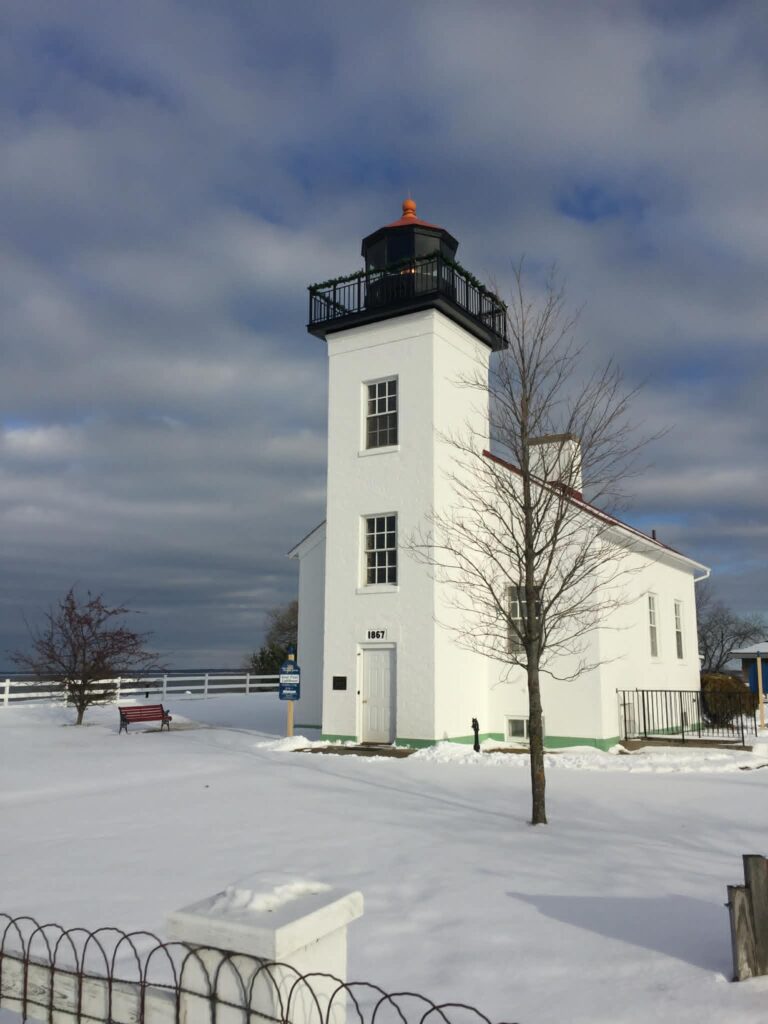
Sand Point Lighthouse is the highlight of Escanaba. Built in 1867, this restored and
furnished lighthouse stood watch over treacherous waters for well over a century — and one of its early keepers was a woman, which was rare for the era. Open to visitors from Memorial Day through Labor Day, 1 pm to 4 pm. Verify hours before you go.
Route Tip: Take Highway 2 through the rest of the Upper Peninsula. If you’re visiting Kitchiti-kipi, detour south on County Road 442.
Accessibility: Sand Point Lighthouse is managed by the Delta County Historical Society. The lighthouse exterior and surrounding grounds are accessible by walking. The interior tour involves a spiral staircase that is not accessible for most mobility aids. The grounds and exterior viewing areas are reachable without stairs. Contact the Delta County Historical Society at (906) 789-6790 before your visit to confirm current access arrangements.
Dogs: Leashed dogs are welcome on the grounds around Sand Point Lighthouse. Dogs are not permitted inside the lighthouse building during tours.
12. Kitch-iti-kipi
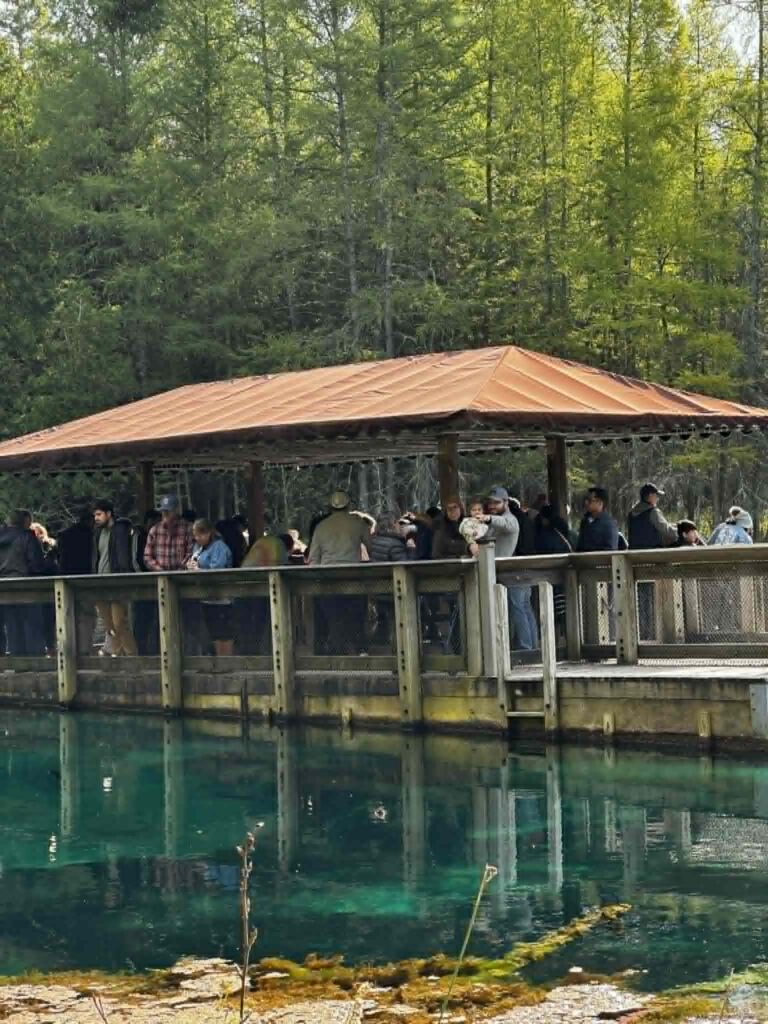
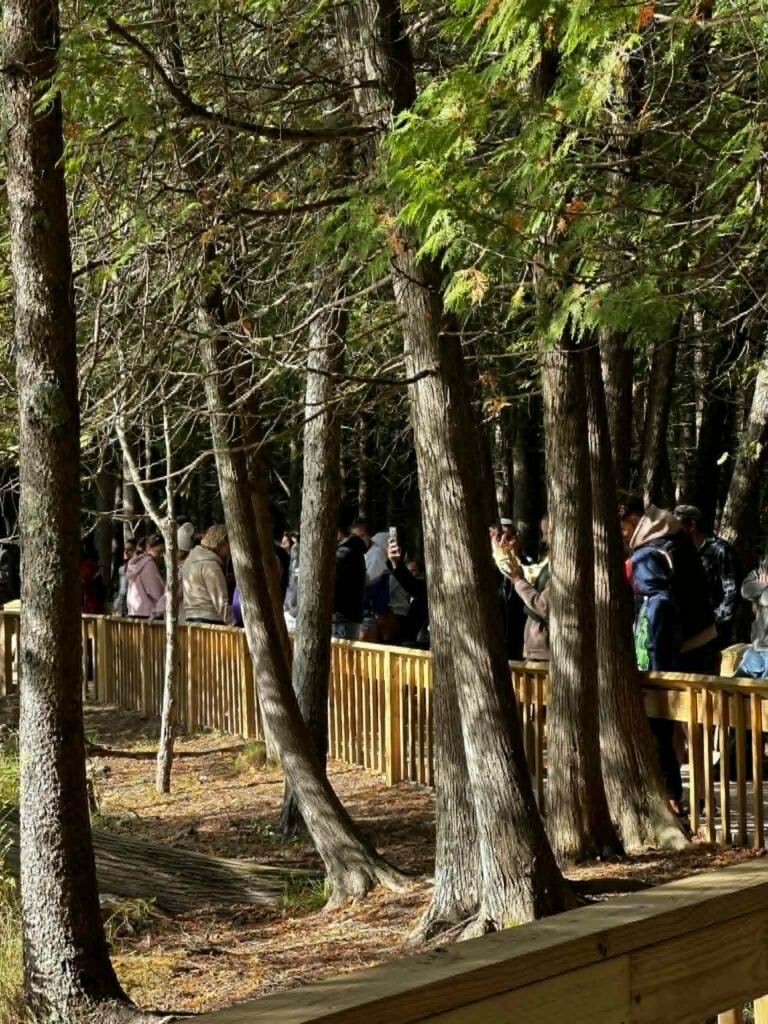
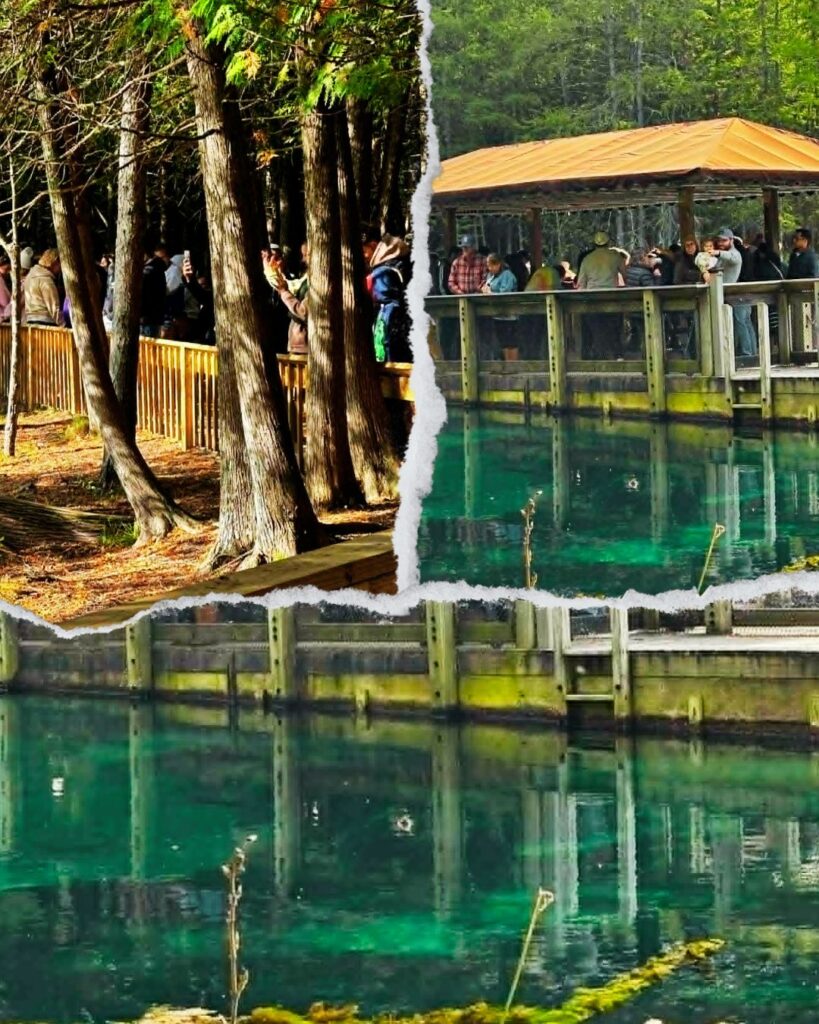
This is one of the most otherworldly stops on the entire Lake Michigan loop, and it’s worth the short detour. Kitch-iti-kipi — Michigan’s largest natural spring — sits in Palms Brook State Park. It’s 200 feet wide, 40 feet deep, and so clear you can see every detail of the limestone bottom.
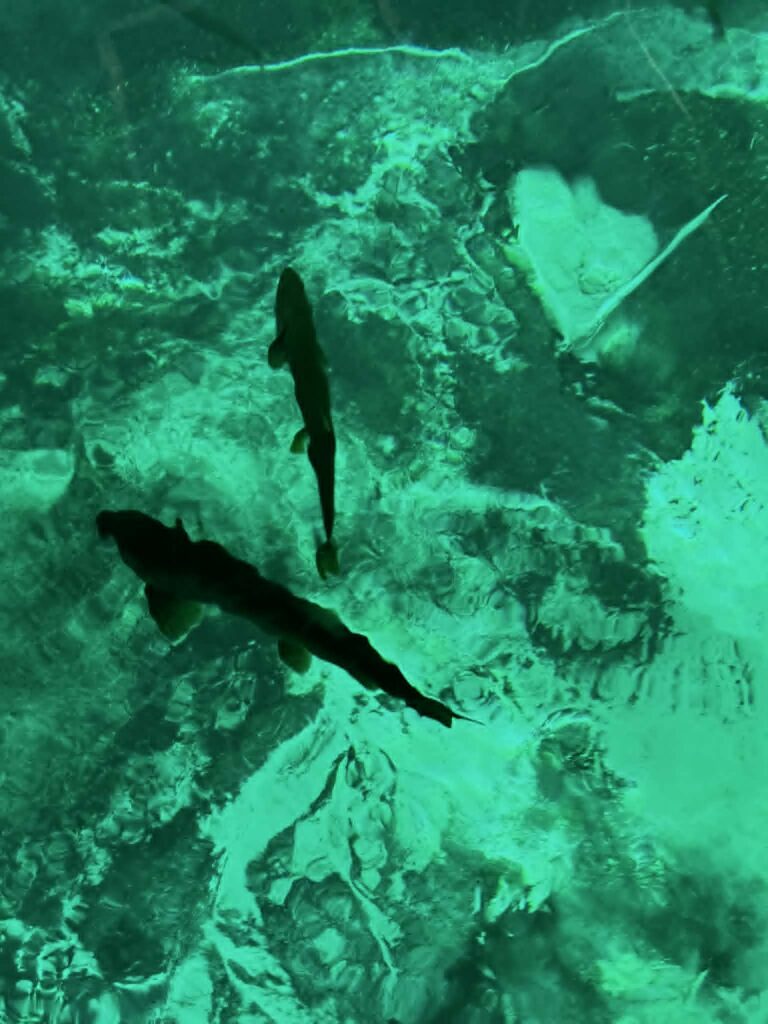
A self-operated raft carries you across the spring, and the view from the center is
remarkable — sunken logs and lake trout visible through thousands of gallons of water bubbling up from below
The park is open year-round from 8 am to dusk. Entry requires a Michigan Recreation Passport: $15 annually for Michigan residents, or $12 for a daily non-resident pass purchased at the park kiosk. Visit michigan.gov/dnr for current rates.
Accessibility: The self-propelled observation raft is accessible and is specifically noted as such by the Michigan DNR. The path to the raft is relatively flat and manageable for most mobility aids.
Dogs: Leashed pets are permitted at Palms Brook State Park, but are not allowed on the observation raft.
 Kitchitikipi
 Kitchitikipi
 Kitchitikipi
13. St. Ignace
St. Ignace is one of Michigan’s oldest cities and a genuine gateway moment on this trip.
Stop at Wawatam Lighthouse, then pick up Michigan pasties (pronounced pass-tees) at Lehto’s Pasties — a family-owned institution since 1947, open Monday through Saturday 10 am to 6 pm and Sunday 10 am to 5 pm. Take them to Bridge View Park and eat with a view of the Mackinac Bridge.
The bridge is five miles long with 1.5 miles suspended — the third-longest total suspension bridge in the world. Crossing it is a rite of passage on this road trip. Expect wind.
Accessibility: Wawatam Lighthouse is viewable from the St. Ignace waterfront area. The surrounding waterfront path is paved and accessible. Verify current public access at the lighthouse itself before visiting as access arrangements change seasonally.
Dogs: Lehto’s Pasties has outdoor picnic seating where dogs are welcome. Bridge View Park is a great dog-friendly stop.
Where to Stay in St. Ignace
Bavarian Haus Lakefront Inn sits on the shores of Lake Huron, just around the corner from Lake Michigan. Rooms are bright and well-appointed, and the inn offers an indoor pool, whirlpool tubs, and a sauna, plus a free shuttle to the Mackinac Island Ferry.
Check Rates and Book a Stay at Bavarian Haus Lakefront Inn
On to Lower Peninsula Michigan and Indiana
The lower peninsula brings beaches, dunes, and some of the best food on the trip. You’re in the home stretch — enjoy every mile.
14. Mackinaw City
Don’t let the small population fool you. Mackinaw City, with just around 800 residents, draws visitors from across the country.
Old Mackinac Point Lighthouse offers both an informative exhibit and sweeping views of the straits. Colonial Michilimackinac adds a full layer of living history — costumed
interpreters demonstrate 18th-century trades, and from June through mid-August, you can watch active archaeological excavations that have been ongoing since 1959.
The fort is open May 6 through October 11, 2026, with hours varying by season. Check mackinacparks.com for current 2026 admission prices and hours before you go, as rates have increased from previous years. Parking at Colonial Michilimackinac is free.
Accessibility: Colonial Michilimackinac is wheelchair accessible and welcomes strollers. The grounds are relatively level. Contact the park for specific accommodation information.
Dogs: Well-behaved leashed pets are welcome at Colonial Michilimackinac grounds.
Route Tip: For a scenic alternative between Mackinaw City and Traverse City, take W Levering Road to Cross Village, then follow Highway 119 south through the Tunnel of Trees toward Harbor Springs. It’s one of the most beautiful drives in Michigan.
15. Traverse City
Traverse City is the Cherry Capital of the World, and that identity runs through every corner of it.
Grand Traverse Pie Company is the right first stop — their Old Mission Cherry pie is reason enough to make the drive. The menu also covers savory pot pies and quiches, with salads and sandwiches rounding things out.
Accessibility: Grand Traverse Pie Company has a wheelchair-accessible entrance, wheelchair-accessible parking, accessible restrooms, and accessible seating. The outdoor seating areas do not require entering the building and are also accessible. Address: 525 W. Front Street, Traverse City, MI 49684.
Dogs: Grand Traverse Pie Company has ten dog-friendly outdoor tables. The restaurant recommends calling ahead before bringing your dog: (231) 922-7437. Dogs are welcome at outdoor seating only — not permitted inside the building.
For something local and unexpected, the Acoustic Tap Room offers Northern Michigan mead and hard cider flights. If you’re traveling with kids, Great Wolf Lodge’s indoor water park delivers a full afternoon of slides and lazy rivers.
Food lovers should try for a reservation at The Cooks’ House, a farm-to-fork fine-dining experience with only 26 seats and a menu that changes daily based on what’s in season. Open Tuesday through Saturday, 5 pm to midnight.
Accessibility: The Cooks’ House is a small fine-dining restaurant with 26 seats. The restaurant has ground-level entry. Call ahead at (231) 946-8700 to confirm accessible seating arrangements — given the intimate size, the staff can accommodate specific seating needs with advance notice.
Route Tip: For wine country and extra scenery, take Highway 22 out of Traverse City
through the Leelanau Peninsula. For a more direct route, cut across on Highway 72 to
Empire.
Where to Stay in Traverse City
Delamar Traverse City sits directly on the shores of West Grand Traverse Bay with a private beach and floor-to-ceiling bay views from every room. The Artisan Waterfront Restaurant serves Great Lakes-inspired New American cuisine with a local farm focus — one of the few true waterfront dining options in Traverse City. Amenities include indoor and outdoor heated pools, a hot tub, and a sauna. The Yen Yoga studio runs 60+ weekly classes, and kayak rentals, paddleboards, and boat charters are available on the bay. A complimentary welcome glass of champagne greets you at check-in, and a free hot breakfast is included daily. Free parking and complimentary wifi are included, and the 24-hour airport shuttle runs on request.
Check Rates and Book a Stay at Delamar Traverse City
16. Sleeping Bear Dunes National Lakeshore
Sleeping Bear Dunes National Lakeshore is one of the finest stretches of scenery in the entire Midwest. Towering bluffs drop to the lake, historic farmsteads sit tucked into the dunes, and the views from the overlooks stay with you long after you leave.
You can hike, camp, and backpack here — fishing and stargazing add to the draw. The entrance fee is $25 per car for up to seven days.
Accessibility: The Pierce Stocking Scenic Drive is a paved 7.4-mile loop with multiple pulloffs and overlooks reachable without a long hike — a wonderful option if walking the dunes themselves isn’t feasible. Several overlooks are paved and accessible directly from the car. The Empire Bluff Trail is not accessible due to steep terrain.
Dogs: Leashed pets are allowed in most areas of Sleeping Bear Dunes National Lakeshore, including along the Pierce Stocking Scenic Drive and in many picnic areas. Pets are not permitted on designated swimming beaches or in the backcountry. Always check current regulations at nps.gov/slbe before your visit.
17. Ludington State Park
Ludington State Park is one of Michigan’s most beloved natural spaces. Seven miles of Lake Michigan shoreline anchor the park, with hardwood forests, sand dunes, and marshlands filling the interior.
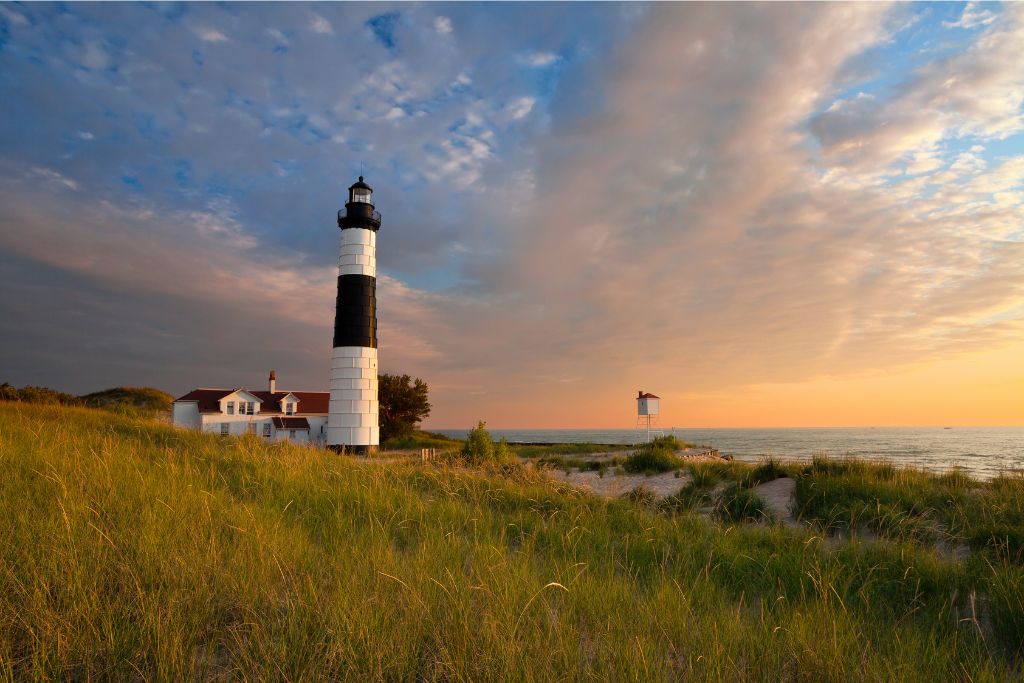
Rent a kayak or paddleboard on Hamlin Lake, or simply walk the shore. The hike out to Big Sable Point Lighthouse is one of the best on the trip — a 1.8-mile trail through dunes with a black-and-white striped lighthouse waiting at the end. Tours run between May and October, 10 am to 5 pm.
Evening folk music performances in the outdoor amphitheater are a warm way to close a long day. In winter, snowshoeing through the park is a different kind of reward.
Accessibility: Ludington State Park has several accessible picnic areas and restrooms near the main beach. The trail to Big Sable Point Lighthouse is sandy and uneven — challenging for most mobility aids. The lighthouse exterior and surrounding area can be reached with effort on firmer sections of the trail using stability poles or similar aids.
Dogs: Leashed dogs are welcome at Ludington State Park in most areas, including on trails. Pets are not permitted on the designated swimming beach. The Big Sable Point Lighthouse trail is pet-friendly.
18. Holland, Michigan
Holland is best known for its May tulip festival, when more than 150,000 tulips blanket the city in color. The cobblestone streets of downtown invite slow wandering past specialty shops and local restaurants.
Windmill Island Gardens is the must-visit stop — a working Dutch windmill still grinding wheat into flour, surrounded by Netherlands-style buildings and gorgeous gardens. Open April 13 through October 4, 2026, daily from 9:30 am, last admission at 5 pm. Admission is $13 for adults and $6 for children ages 3–15. Children 2 and under are free.
Accessibility: Most of Windmill Island Gardens is accessible by wheelchair or mobility aid on paved and level paths. The upper floors of the windmill require climbing stairs and are not accessible. A video tour of the full windmill plays on a loop in the Post House Visitor Center for those who cannot climb. Wheelchairs are available for loan on site during regular season — ask at the visitor desk.
Dogs: Leashed dogs are welcome throughout Windmill Island Gardens with the exception of inside the windmill and the gift shop, due to food processing. Doggie-Pot bag dispensers are available throughout the park.
Route Tip: From Holland, follow I-196 south through South Haven, Benton Harbor, and New Buffalo. The New Buffalo Beach and lighthouse make a nice final Michigan stop before crossing into Indiana.
Where to Stay in Holland, Michigan
Staybridge Suites sits a couple of miles from downtown with easy access to shops and restaurants. Guests consistently praise the location, comfortable rooms, and generous breakfast.
Check Rates and Book a Stay at Staybridge Suites
19. Indiana Dunes National Park
Time Zone Change — Set Your Clock Back One Hour: Crossing from Michigan into
northwestern Indiana (LaPorte and Porter counties, which include the Indiana Dunes area) puts you back on Central Time — one hour behind Michigan. If it is 2 pm in New Buffalo, Michigan, it is 1 pm at Indiana Dunes. Your phone will update automatically, but confirm before booking any same-day activities.
Indiana’s 45 miles of Lake Michigan shoreline punch well above their weight, and Indiana Dunes National Park is the reason why. The dunes can reach over 100 feet, with trails ranging from gentle beach walks to challenging summit climbs.
Heron Rookery Trail is a spring favorite when wildflowers line the path. In autumn, Glenwood Dunes Trail delivers some of the best fall color views in the region. The park charges $25 per family vehicle.
Accessibility: Indiana Dunes has several accessible beach areas and paved paths. The Calumet Dunes Trail is a 1.5-mile paved accessible trail. The Portage Lakefront and Riverwalk area offers accessible fishing platforms and picnic areas, with accessible
restrooms on site. The duneclimbing areas are not accessible due to steep sandy terrain.
Dogs: Leashed pets are welcome in Indiana Dunes National Park on most trails and in parking areas. Pets are not permitted on designated swimming beaches. Visit nps.gov/indu for a full list of pet-friendly areas.
Accessibility Guide for the Lake Michigan Circle Tour
Traveling the Lake Michigan loop with mobility considerations takes a bit more planning, but it’s genuinely achievable — and worth it. Here’s a consolidated guide to the most important accessibility information along the route.
Best accessible stops on the loop:
The Willis Tower Skydeck is fully elevator-accessible and one of the smoothest accessible experiences on the entire trip. Windmill Island Gardens in Holland offers wheelchair loans on site and paved paths to most of the park, with a video alternative for those who can’t climb the windmill. Colonial Michilimackinac has level grounds and welcomes mobility aids throughout the fort. The Pierce Stocking Scenic Drive at Sleeping Bear Dunes lets you experience dramatic lake views entirely from a paved road without leaving your vehicle.
Stops that need advance planning:
The USS Cobia submarine at the Wisconsin Maritime Museum involves narrow hatches and steep ladders. Call ahead — the museum offers a self-guided audio tour and digital visitor guide as alternatives. The Big Sable Point Lighthouse trail at Ludington is sandy and uneven for the full 1.8 miles, though the first portion is more manageable with poles or a sturdy walker.
General tips for the loop:
Call ahead to any attraction where accessibility is a priority — policies and available accommodations change. Michigan state parks provide accessibility information on individual park pages at michigan.gov/dnr. Most beach areas on the loop have at least one accessible parking area and restroom, though boardwalk access to the water varies widely.
Traveling in shoulder season — May or September — means more space and less rush. Staff have more time to assist at every stop.
Bringing Your Dog on the Lake Michigan Loop
The Lake Michigan circle tour is a road trip that dogs genuinely enjoy — long stretches of beach and forested trails — with fresh lake air throughout — make it one of the better routes in the Midwest for traveling with a pet. Here’s what to know before you load up the car.
Dog-friendly highlights on the loop:
Most Michigan and Wisconsin state parks along the route welcome leashed dogs on trails, including Harrington Beach, Ludington State Park, and the majority of Sleeping Bear Dunes National Lakeshore outside designated swim beaches. Windmill Island Gardens in Holland is one of the most dog-welcoming paid attractions on the loop, with dogs allowed throughout the grounds (except the windmill and gift shop) and doggie bag stations provided. The outdoor areas around Bridge View Park in St. Ignace make a great dog stretch stop after picking up pasties at Lehto’s.
Where to leave dogs in the car or find kennels:
The USS Cobia submarine tour and the Willis Tower Skydeck do not permit pets — the same applies to most indoor museums along the route. On warm days, never leave your dog in a parked car — Lake Michigan summers get hot fast and parking lots offer no shade. Many lakeside towns have local doggie daycares and kennels for a few hours if you need to visit an indoor attraction.
Practical tips:
Bring more water than you think you need — sandy dunes and warm beaches dehydrate dogs. Always check individual park websites before arrival, as pet policies on specific trails or beach sections can change seasonally. A sturdy leash and current ID tags are required at virtually every stop on this route.
Accessibility & Dog Policy by Stop (Real Planning Guide)
If you’re planning this Lake Michigan road trip with mobility needs or a dog, here’s the reality after checking every stop:
- Major attractions: Fully accessible, but pets not allowed (service animals only)
- Nature areas: Partial accessibility (trails, dunes, beaches vary)
- Best for both accessibility + dogs: Parks, waterfronts, downtown walkable areas
- Call ahead required: Trolleys, small restaurants, historic sites
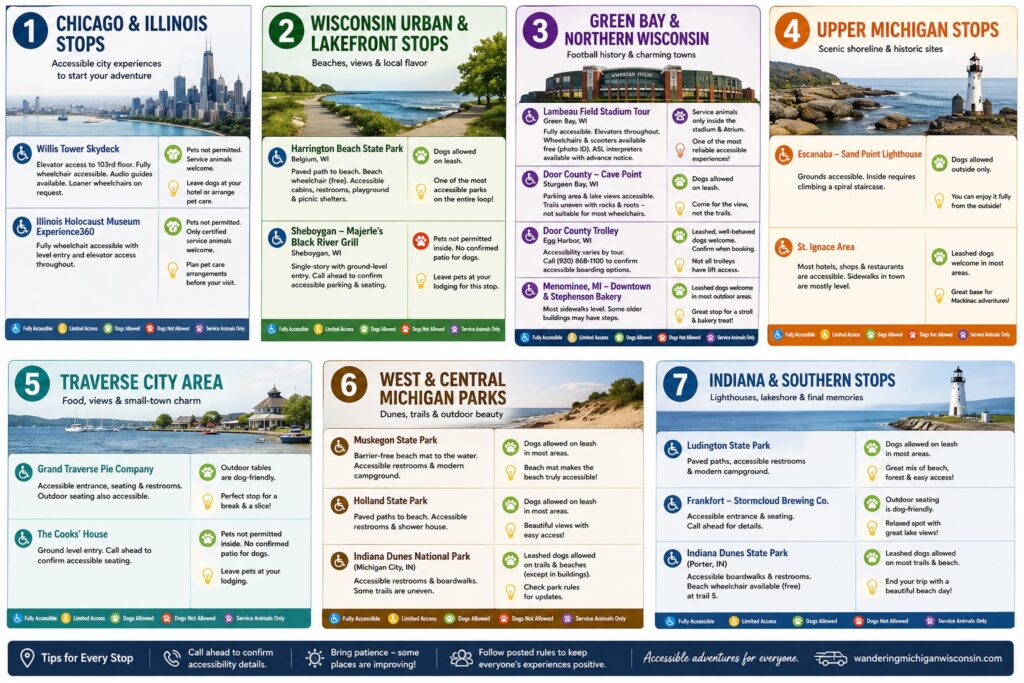
Chicago & Illinois Stops
| Stop | Accessibility | Dogs |
|---|---|---|
| Willis Tower Skydeck (Chicago IL) | Fully accessible, elevator, audio guides, loaner wheelchairs | No pets. Service animals only |
| Illinois Holocaust Museum Exp360 (Chicago IL) | Fully accessible, level entry, elevator | No pets. Service animals only |
| Chicago Botanic Garden (Glencoe IL) | Largely accessible, paved paths, wheelchair loans | No pets. Service animals only |
Wisconsin Urban & Lakefront Stops
| Stop | Accessibility | Dogs |
|---|---|---|
| Mars Cheese Castle (Kenosha WI) | Ground level retail, generally accessible | Not confirmed |
| Grant Park (Milwaukee WI) | Uneven trails, market accessible | Dogs allowed on leash in park. Not inside market |
| Harrington Beach State Park (Belgium WI) | Paved beach path, beach wheelchair, ADA cabin | Leashed pets welcome |
| Wisconsin Maritime Museum (Manitowoc WI) | Building accessible, submarine tour limited | Not permitted inside museum |
| Cave Point County Park (Sturgeon Bay WI) | Viewpoint accessible, trails not accessible | Leashed pets welcome |
| Door County Trolley (Egg Harbor WI) | Varies by tour | Leashed dogs welcome, confirm when booking |
Green Bay & Northern Wisconsin
| Stop | Accessibility | Dogs |
|---|---|---|
| Lambeau Field (Green Bay WI) | Fully accessible tours, wheelchair/scooter loans | No pets. Service animals only |
| Majerle’s Black River Grill (Sheboygan WI) | Ground-level single-story | No confirmed outdoor seating |
| Wawatam Lighthouse (St. Ignace MI) | Paved waterfront approach | Leashed dogs welcome |
Upper Michigan Stops
| Stop | Accessibility | Dogs |
|---|---|---|
| Menominee Downtown (MI) | Flat downtown, walkable | Leashed dogs welcome in public areas |
| Sand Point Lighthouse (Escanaba MI) | Grounds accessible, interior not accessible | Leashed dogs welcome on grounds only |
| Kitch-iti-kipi (Manistique MI) | Accessible viewing raft, flat path | Pets not allowed on raft |
| Lehto’s Pasties (St. Ignace MI) | Not confirmed | Outdoor picnic seating, dogs allowed |
| Bridge View Park (St. Ignace MI) | Paved waterfront area accessible | Dogs welcome |
| Colonial Michilimackinac (Mackinaw City MI) | Wheelchair accessible, level grounds | Leashed dogs welcome on grounds |
Traverse City Area
| Stop | Accessibility | Dogs |
|---|---|---|
| Grand Traverse Pie Co. (Traverse City MI) | Accessible entrance, parking, seating | Dog-friendly outdoor tables available |
| The Cooks’ House (Traverse City MI) | Ground-level entry | No pets. Indoor only restaurant |
West & Central Michigan Parks
| Stop | Accessibility | Dogs |
|---|---|---|
| Sleeping Bear Dunes (Empire MI) | Scenic drive accessible, some trails limited | Leashed dogs allowed on trails. Not on beaches |
| Ludington State Park (Ludington MI) | Accessible picnic/restrooms, uneven trails | Leashed dogs allowed on trails. Not on swim beach |
| Windmill Island Gardens (Holland MI) | Paved paths, wheelchair loans | Leashed dogs welcome. Not inside windmill or shop |
Indiana & Southern Stops
| Stop | Accessibility | Dogs |
|---|---|---|
| Indiana Dunes National Park (Porter IN) | Partial accessibility, some paved trails | Leashed dogs allowed on trails. Not on swim beaches |
FAQ
Yes — and this catches many travelers off guard. Illinois, Wisconsin, and northwestern Indiana (including the Indiana Dunes area) are on Central Time. Michigan — both the Upper and Lower Peninsulas — is on Eastern Time, one hour ahead.
The change happens at the Wisconsin-Michigan border near Menominee. Set your clock forward one hour entering Michigan, and back one hour returning to Indiana or Wisconsin. The attractions most affected by missing this change are Sand Point Lighthouse, Kitch-iti-kipi, Lehto’s Pasties, Colonial Michilimackinac, and Big Sable Point Lighthouse — all of which have limited operating windows.
All four states on the loop observe Daylight Saving Time, so the one-hour difference between Central and Eastern stays consistent year-round — it never changes by season. What does change seasonally is available daylight and attraction operating dates. Spring and fall travelers face the tightest windows — shorter daylight hours combined with reduced seasonal hours make the time zone change more consequential than it is in summer.
Traffic on I-94 northbound out of Chicago is heaviest from 3:30 pm to 7 pm on weekdays, with Friday summer afternoons the worst. Plan to depart before noon or after 7 pm if possible. The Illinois Tollway — including I94, I-90, and I-294 — is fully cashless. You need an I-PASS, E-ZPass, or the Pay By Plate system (pay online within 14 days at illinoistollway.com). The Chicago Skyway near the Indiana border still accepts cash and credit card. If you are driving a rental car, confirm the toll policy with your rental company before departure.
Without stopping, the full loop runs roughly 17 hours of driving time. Most travelers find that seven to ten days is the right pace for seeing the highlights comfortably.
The Lake Michigan Circle Tour is a designated scenic route that follows state highways around all four sides of the lake through Illinois, Indiana, Michigan, and Wisconsin. Brown and white signs mark the official route. It connects over 100 lighthouses and is considered one of the most scenic road systems in the United
States.
There is no single road. The route uses a combination of interstates and state highways — primarily I-43 and Highway 42 in Wisconsin, Highway 2 and Highway 35 in the Upper Peninsula, and US-31 along the Michigan lower peninsula shore. The route tips throughout this guide point you toward the most rewarding stretches.
Yes, with planning. The Pierce Stocking Scenic Drive at Sleeping Bear Dunes, Windmill Island Gardens, Colonial Michilimackinac, and the Willis Tower Skydeck are among the most accessible stops. Some trails and beaches have sandy or uneven terrain. See the full accessibility section above for stop-by-stop details.
Yes. Most Michigan and Wisconsin state parks welcome leashed dogs on trails. Windmill Island Gardens is notably dog-friendly among paid attractions. Dogs are generally not allowed on designated swimming beaches or inside museums and attractions. See the full pet section above for details.
Absolutely. Frequent beaches, the Great Wolf Lodge water park in Traverse City, Fort Michilimackinac’s living history, the Kitch-iti-kipi raft ride, and Indiana Dunes all appeal to children across a wide age range.
Chicago is the most practical starting point because of its major airport and easy freeway access to both the Wisconsin and Indiana sides of the lake. Car rentals are available throughout the city. You can start anywhere on the loop, though, and adjust the itinerary direction accordingly.
Most itineraries run counterclockwise — Chicago north through Wisconsin, across the Upper Peninsula, and south through Michigan. This puts lake views on your left (driver’s side) for much of the Michigan portion and sets up ideal sunset viewing on the western-facing Wisconsin shore on the return leg.
Yes, if you’re entering Michigan state parks by vehicle. As of January 1, 2026, the Recreation Passport costs $15 annually for Michigan residents or $12 for a daily non-resident pass. Purchase at park kiosks or through michigan.gov/dnr.
Yes. The SS Badger car ferry runs between Ludington, Michigan and Manitowoc, Wisconsin seasonally from mid-May through mid-October. The crossing takes about four hours and is a genuinely scenic break from driving. Reservations are strongly recommended in peak season.
Ready to Start Planning?
A road trip around Lake Michigan is one of the great American drives. The stops in this guide only scratch the surface of what’s out there along more than 1,100 miles of shoreline — follow this itinerary closely, or use it as a foundation and let curiosity take over from there.
Either way, you’re going to love it.
All admission prices and hours in this guide were verified against official websites in April 2026. Prices and hours are subject to change — always confirm with the attraction directly before your visit.
Looking for more Michigan and Wisconsin adventures? Check out these posts: