Wisconsin Maritime Museum: Complete Guide (2026)
The first time I walked the Riverwalk in downtown Manitowoc, I almost missed the museum entirely — because what actually stopped me in my tracks was the black hull of a World War II submarine sitting right there in the Manitowoc River, close enough to touch. That’s USS Cobia, and she’s the reason most people first hear about the Wisconsin Maritime Museum. She’s also only about half of what’s inside.
This is a complete, practical guide to visiting – current hours and admission, what’s actually in the two floors of galleries, how the submarine tours work, and the accessibility details I always check for myself before I recommend a place.
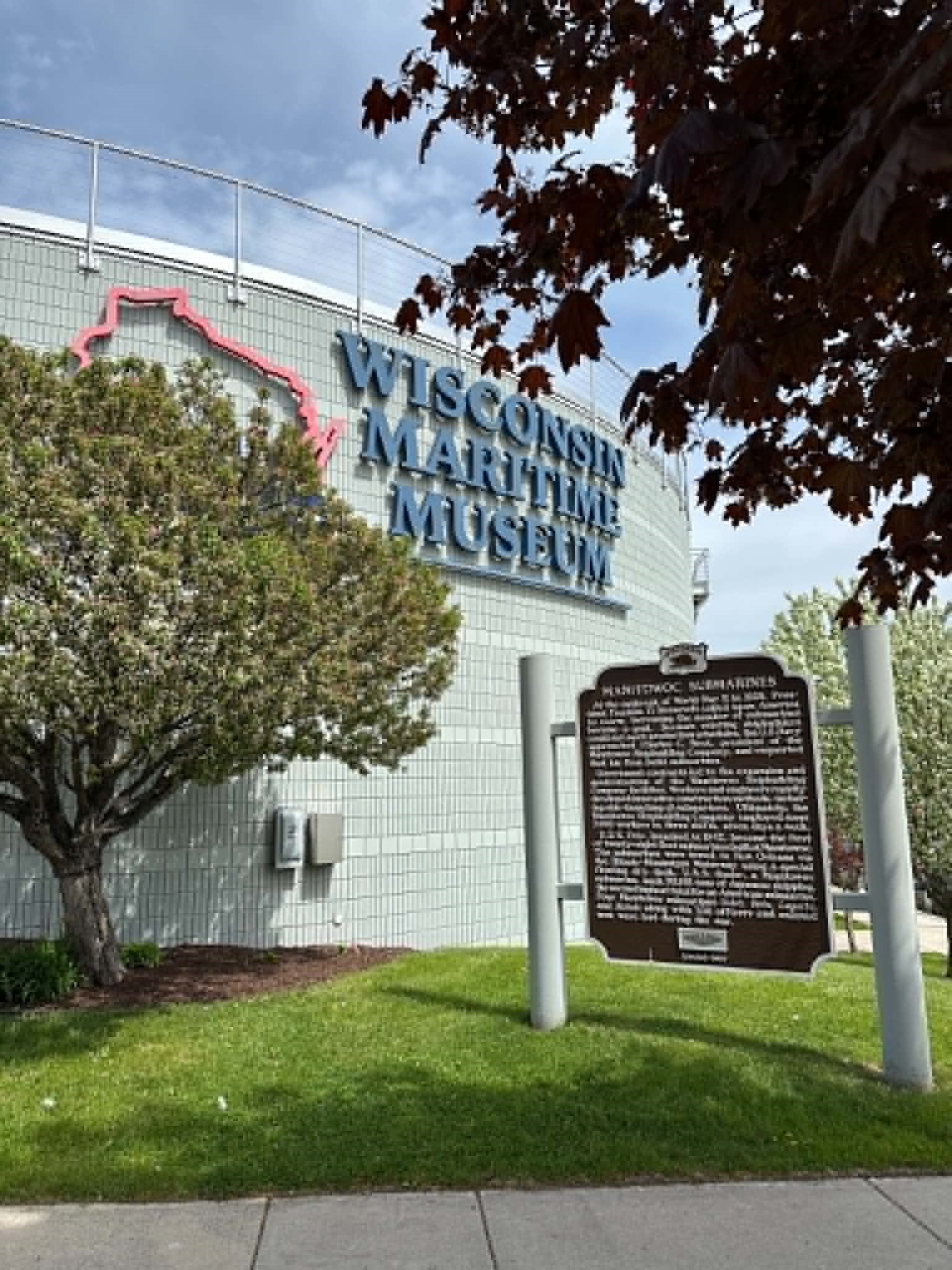
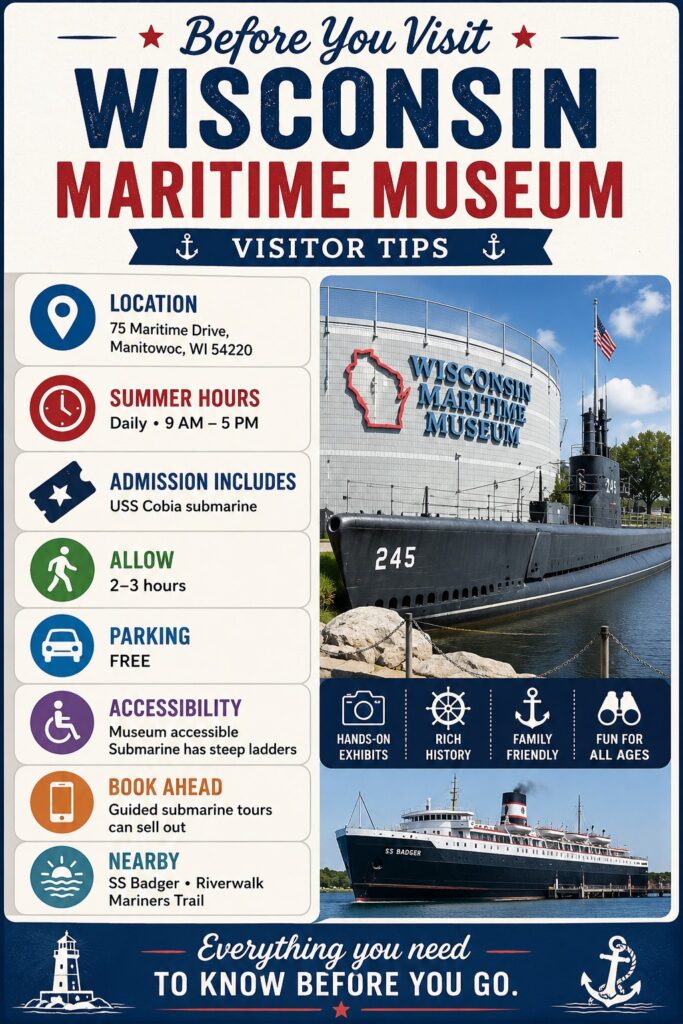
Wisconsin Maritime Museum is located at 75 Maritime Drive, Manitowoc, WI 54220, right on the bank of the Manitowoc River. Phone: (920) 684-0218.
Wandering Michigan Wisconsin contains affiliate links. If you make a purchase using one of the links below, we may receive compensation at no extra cost to you. We only recommend products and services we use and trust.
Read our disclaimer for more information.

Plan Your Trip With My Favorite Resources
Best accommodation site: Booking.com
Book day tours here: Viator.com
Purchase travel insurance here: SafetyWing
Wisconsin Maritime Museum Quick Facts
Manitowoc calls itself Wisconsin’s Maritime Capital, and this Smithsonian-affiliated museum is the reason why that claim holds up. It’s the largest museum of its kind in the Midwest, built around Manitowoc’s real shipbuilding history – during WWII, the Manitowoc Shipbuilding Company built submarines here on the Great Lakes and floated them down the Mississippi River to reach salt water, a feat that still surprises people who hear it for the first time.
Wisconsin Maritime Museum: Quick Facts for 2026
Address: 75 Maritime Drive, Manitowoc, WI 54220
Phone: (920) 684-0218
Signature exhibit: USS Cobia, a fully restored WWII fleet submarine moored outside in the river
Size: Two full floors of indoor galleries plus the submarine and an outdoor Riverwalk exhibit
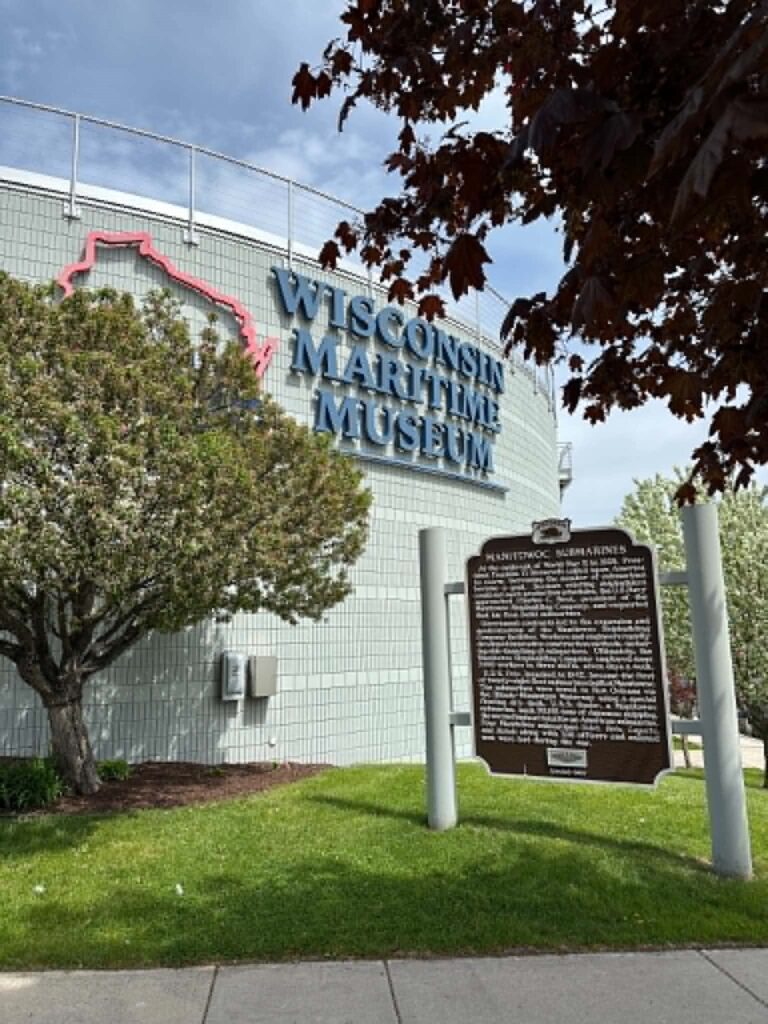
 Wisconsin Maritime Museum
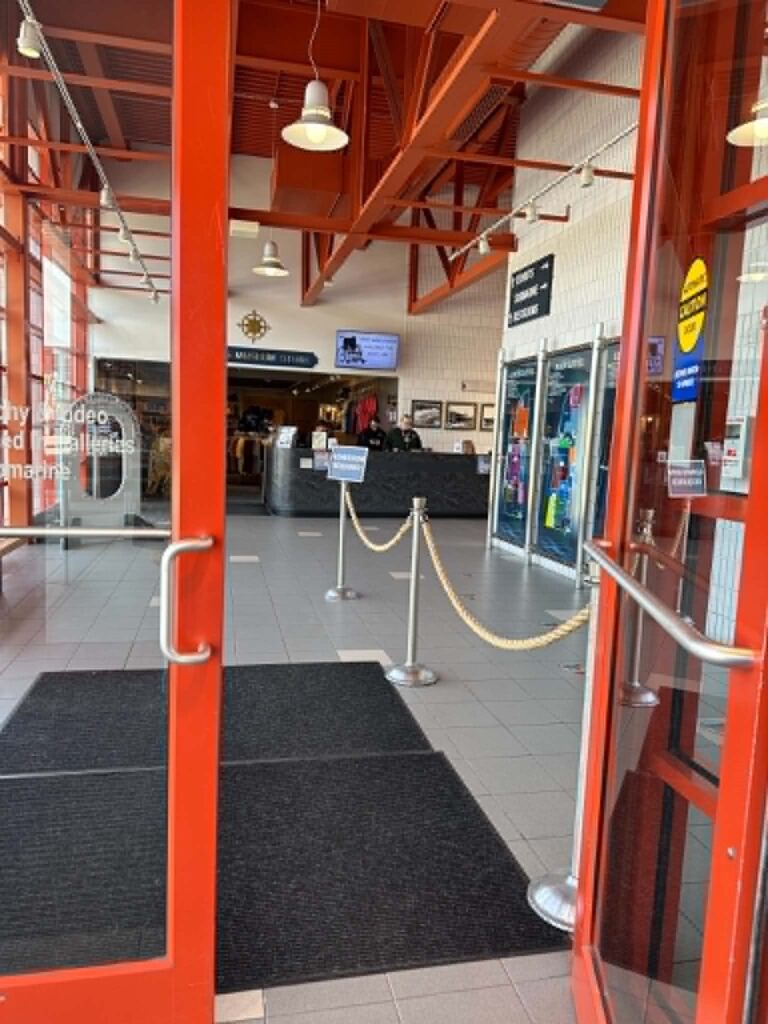 Wisconsin Maritime Museum
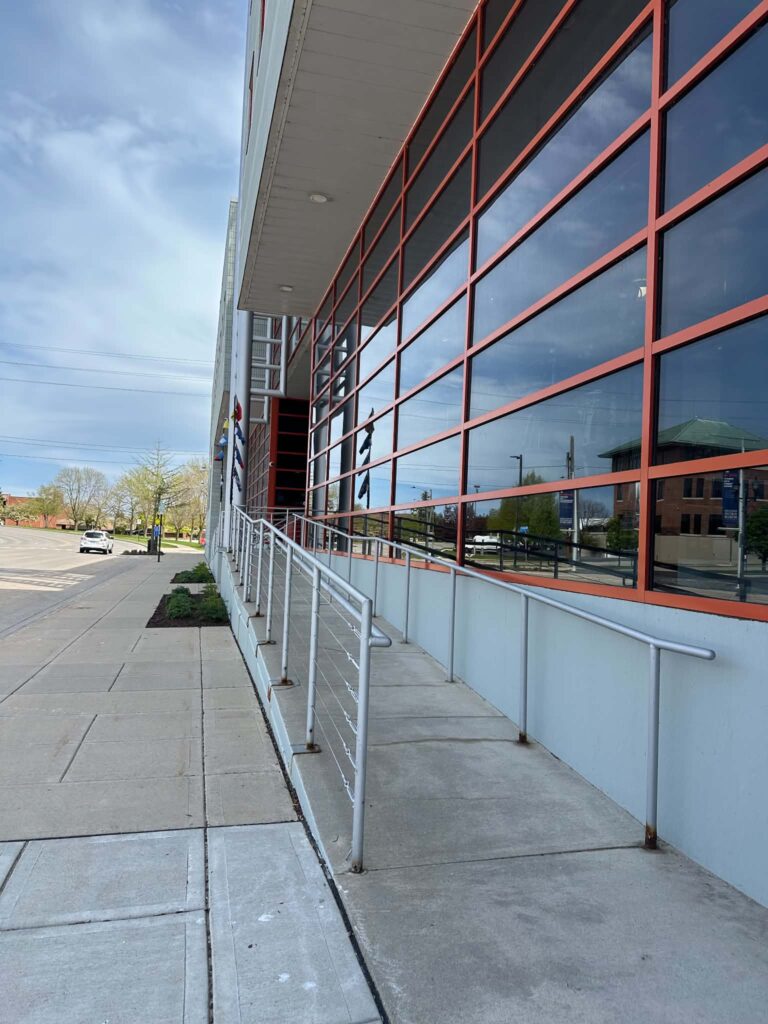 Wisconsin Maritime Museum entrance
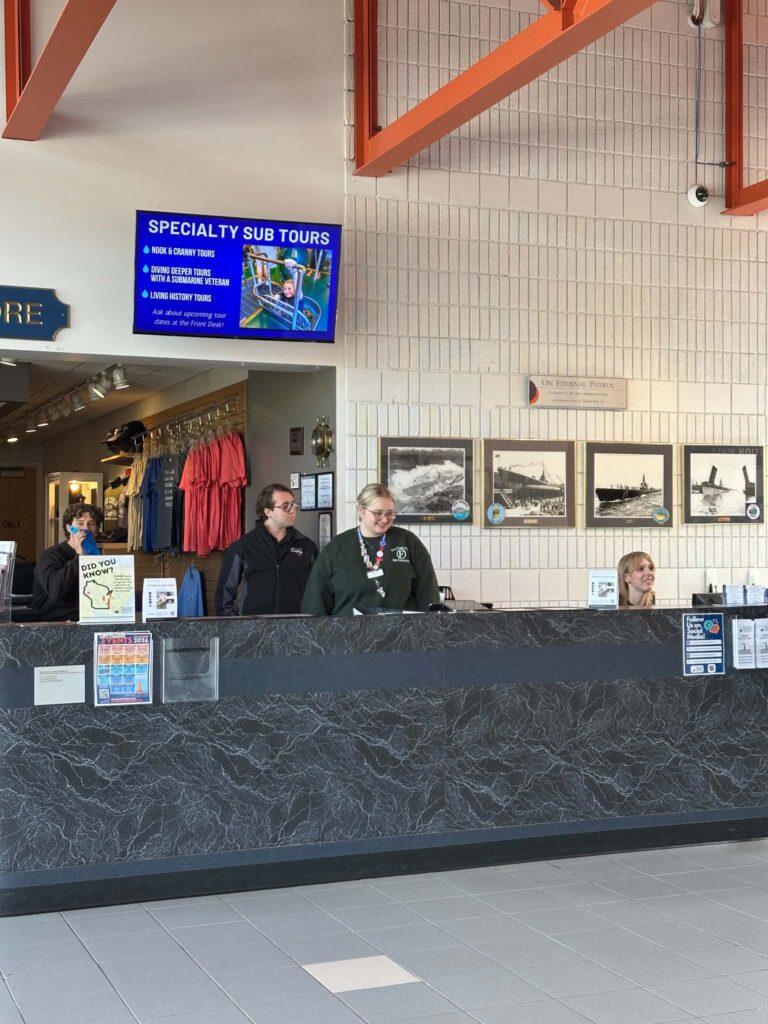 Wisconsin Maritime Museum entrance
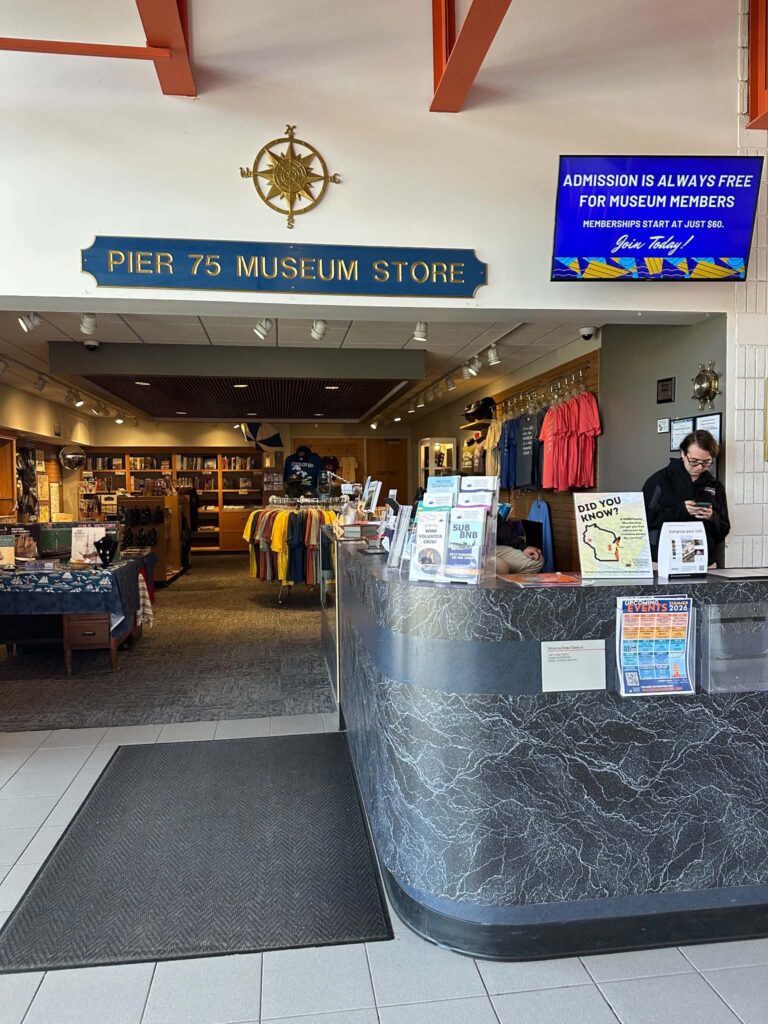 Wisconsin Maritime Museum entrance
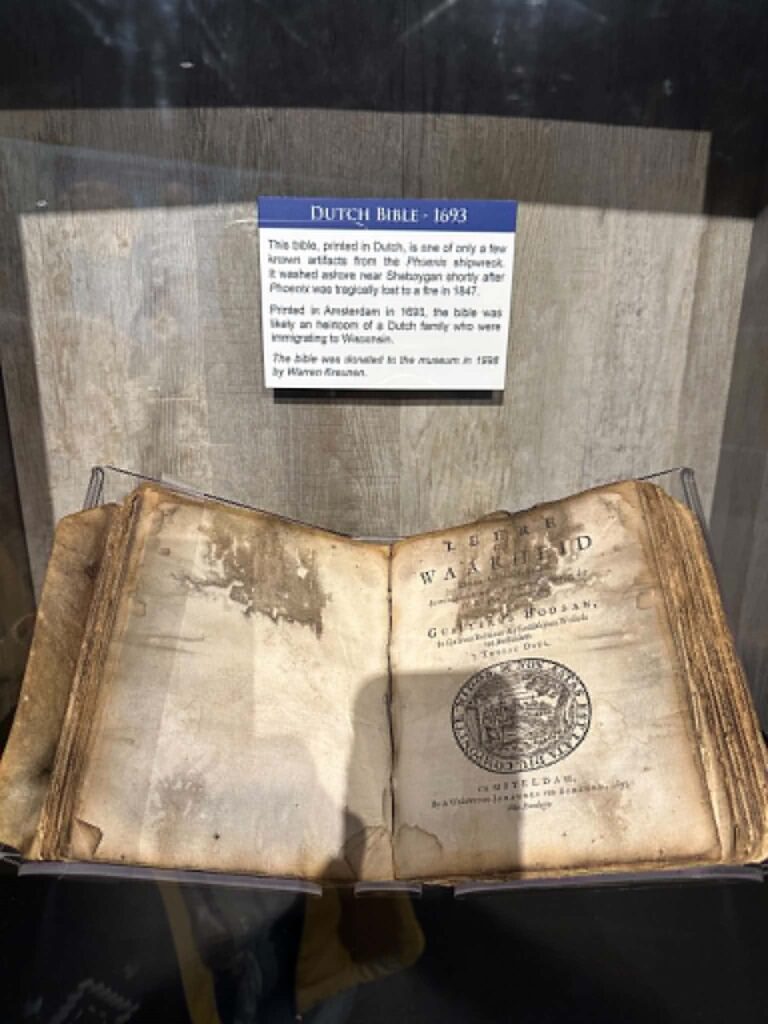 Wisconsin Maritime Museum
Hours & Admission (2026)
The museum runs on two seasonal schedules, and the difference matters if you’re planning a weekday trip in the off-season — the museum is closed Tuesdays and Wednesdays outside of summer.
Summer Hours (Memorial Day – October 1): Open daily, 9:00 a.m. – 5:00 p.m.
Regular Hours (October 1 – Memorial Day):
| Day | Hours |
|---|---|
| Sunday | 10:00 a.m. – 4:00 p.m. |
| Monday | 10:00 a.m. – 4:00 p.m. |
| Tuesday | Closed |
| Wednesday | Closed |
| Thursday | 10:00 a.m. – 4:00 p.m. |
| Friday | 10:00 a.m. – 4:00 p.m. |
| Saturday | 10:00 a.m. – 4:00 p.m. |
The museum is closed on New Year’s Day, Easter Sunday, Thanksgiving, Christmas Eve, and Christmas Day, with special hours typically posted for the last two weeks of December.
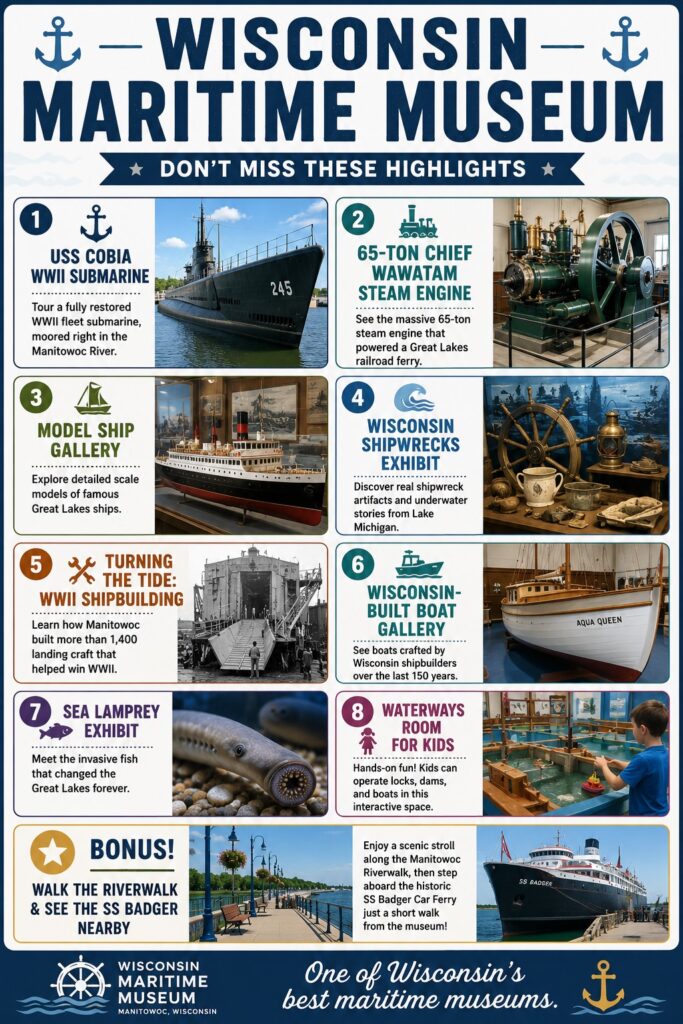
Admission pricing (rates include access to the submarine):
| Category | Price |
|---|---|
| General admission | $25 |
| Youth (ages 4–12) | $15 |
| Ages 3 & under | Free |
| Seniors (65+) | $20 |
| Veterans | $17 |
| Active military | Free |
| WMM Members | Free |
| Museums for All (EBT, BadgerCare, FoodShare/Quest, Medicaid, WIC) | $5 |
A few other discounts worth knowing about: caregivers accompanying a guest with a disability get in free, and from Memorial Day to Labor Day, active military plus up to five family members can enter free through the Blue-Gold Star program. If you belong to a reciprocal museum network like CAMM or ROAM, check whether your membership covers free entry here too.
Tickets can be bought online, by phone, or at the door, and the museum accepts cash, major cards, Apple Pay, and Google Pay.
USS Cobia: Touring the Submarine
Cobia is a Gato-class fleet submarine, restored and maintained to look the way she did while on active duty, and she’s moored permanently in the river right next to the museum. General admission gets you access to her — you don’t buy a separate ticket just to step aboard — but there are two different ways to experience her, and they’re genuinely different visits.
Guided tours run on a timed basis every day during the summer months and last about 45 minutes. A guide walks you through the different compartments and explains what each one did, which is worth it if you want the full story rather than just the visual — the torpedo rooms, the cramped bunks stacked in with the machinery, the control room. Because capacity is limited and tours do sell out, book ahead online or by phone rather than counting on a walk-in spot.
Self-guided tours are available any time during regular museum hours, at your own pace. You can borrow a free audio tour device at the front desk, or use the museum’s mobile app or web-based digital guide on your own phone. This is the better option if you’ve got a toddler who won’t sit through a group tour, or if you just want to linger in the engine room longer than 45 minutes allows.
One practical note: submarines were not built with modern accessibility in mind. Steep ladders and narrow hatches connect the compartments, so if mobility is a concern for anyone in your group, check the museum’s accessibility page before you go — there’s a dedicated section explaining what parts of the sub are and aren’t manageable with mobility limitations.
What’s Inside the Museum
Two full floors of galleries surround the submarine story, and the museum rotates in new exhibits regularly, so there’s usually something timely alongside the permanent collection.
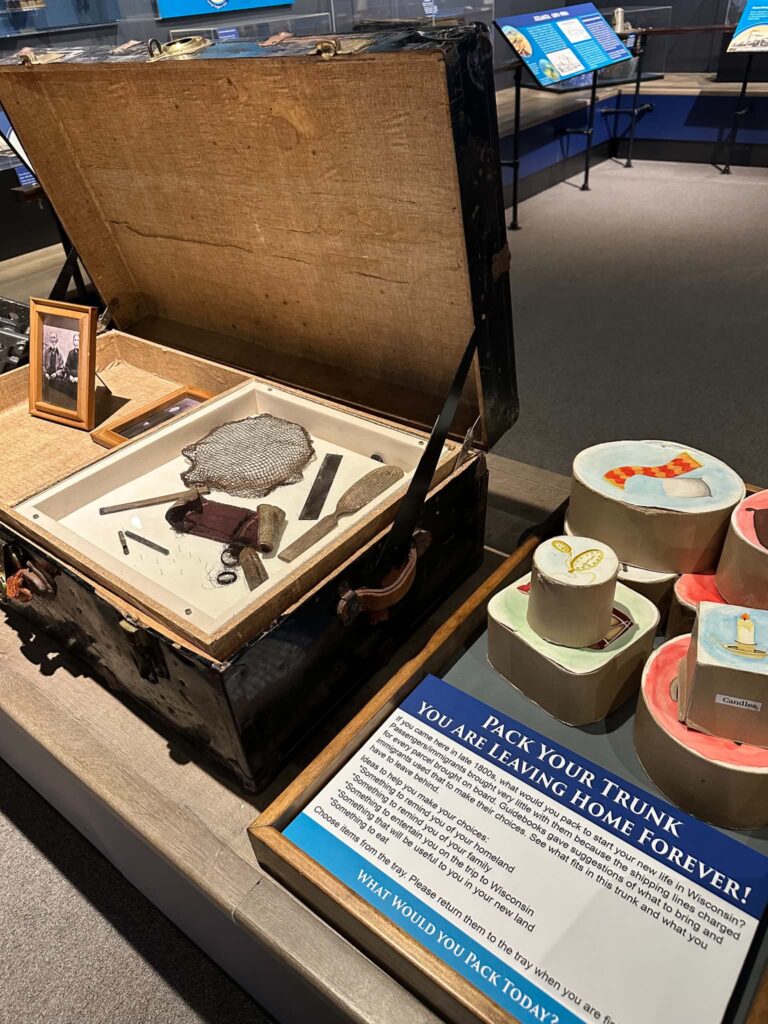
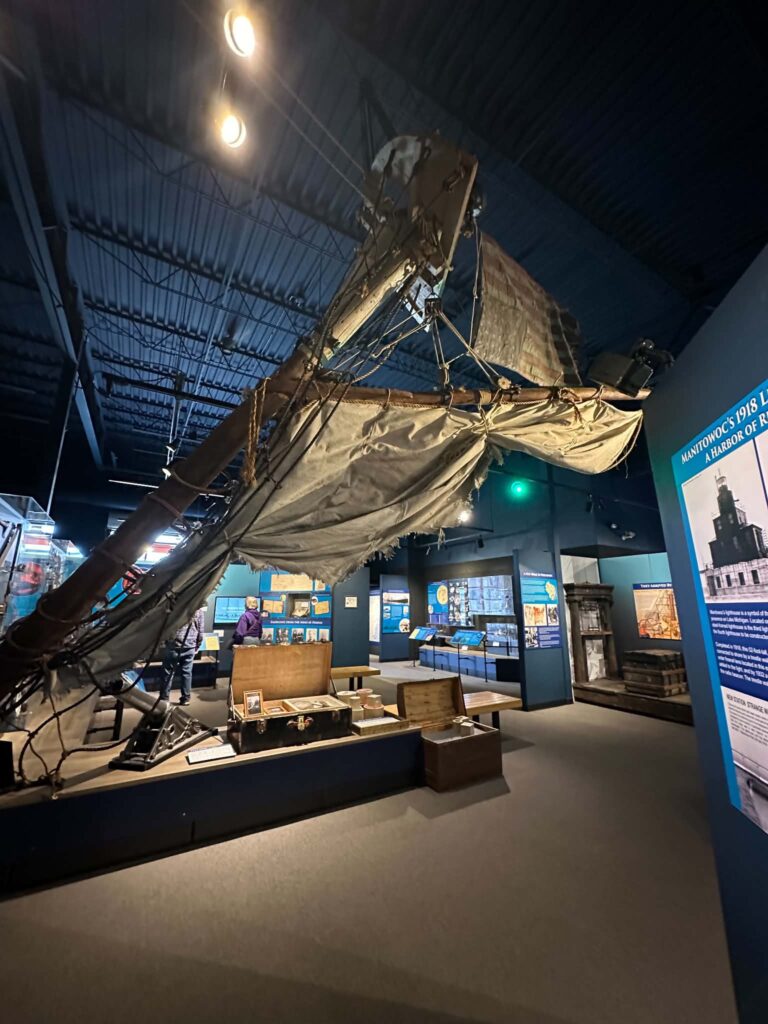
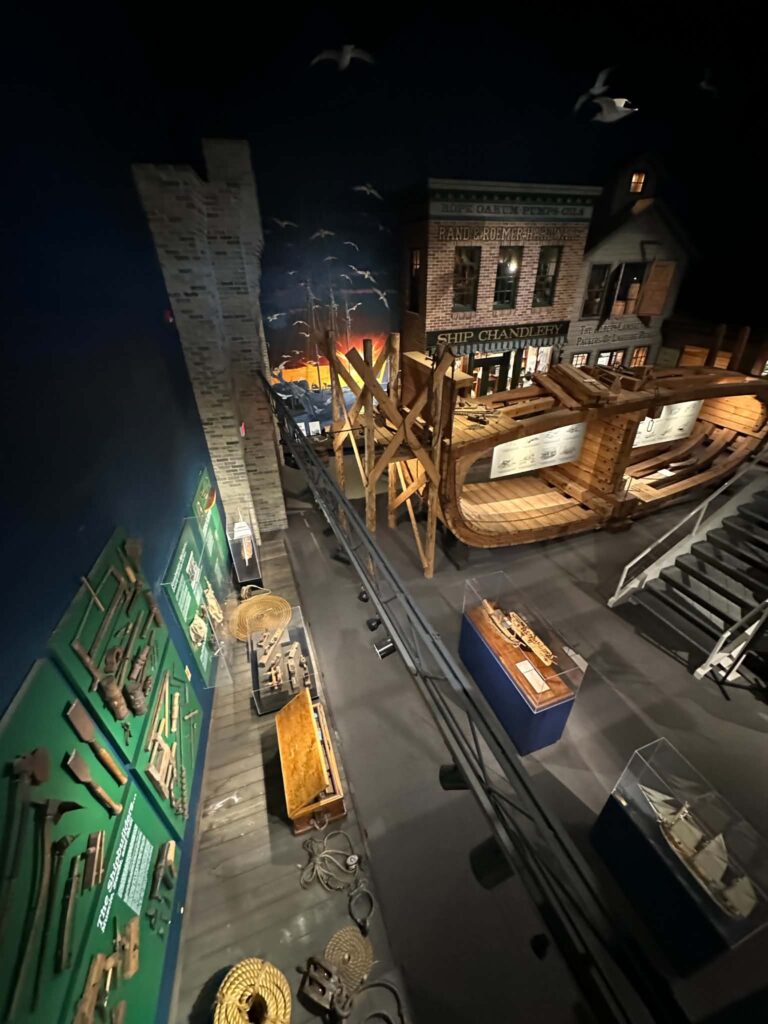
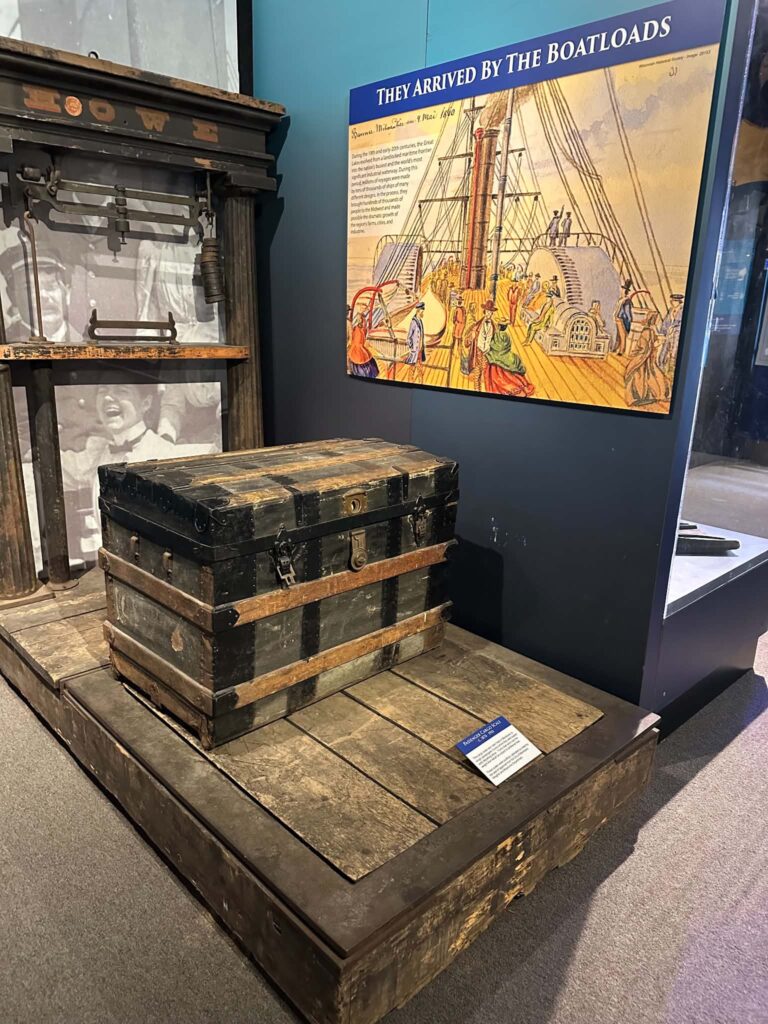
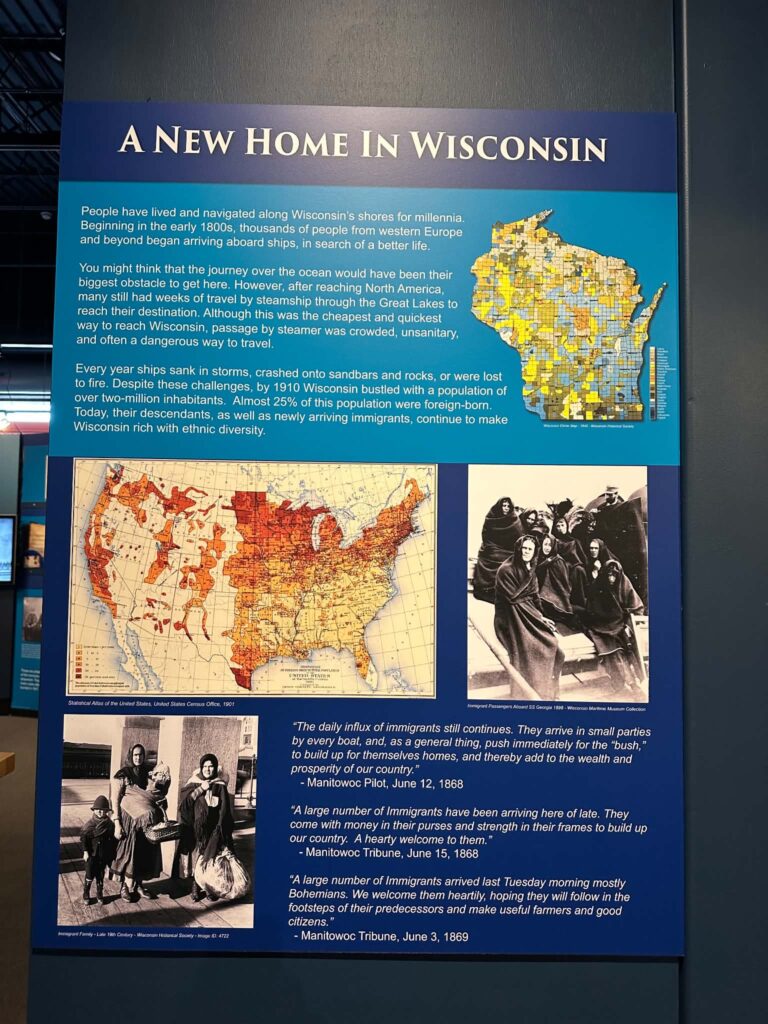
Maritime History Gallery recreates the streets of 19th-century Manitowoc, when shipbuilders, sailors, and traders worked the riverfront — a walk-through look at how Wisconsin shipyards helped build the nation’s Great Lakes fleet.
Model Ship Gallery houses scale models and half-hull models of Great Lakes ships, including a diorama of the Edmund Fitzgerald resting on the floor of Lake Superior, exactly as she was found.
Chief Wawatam Steam Engine is one of the more dramatic pieces in the building: a 65-ton triple-expansion steam engine, built in 1911, that once powered the ice-breaking car ferry Chief Wawatam across the Straits of Mackinac. Seeing that much machinery under one roof gives you a real sense of scale.
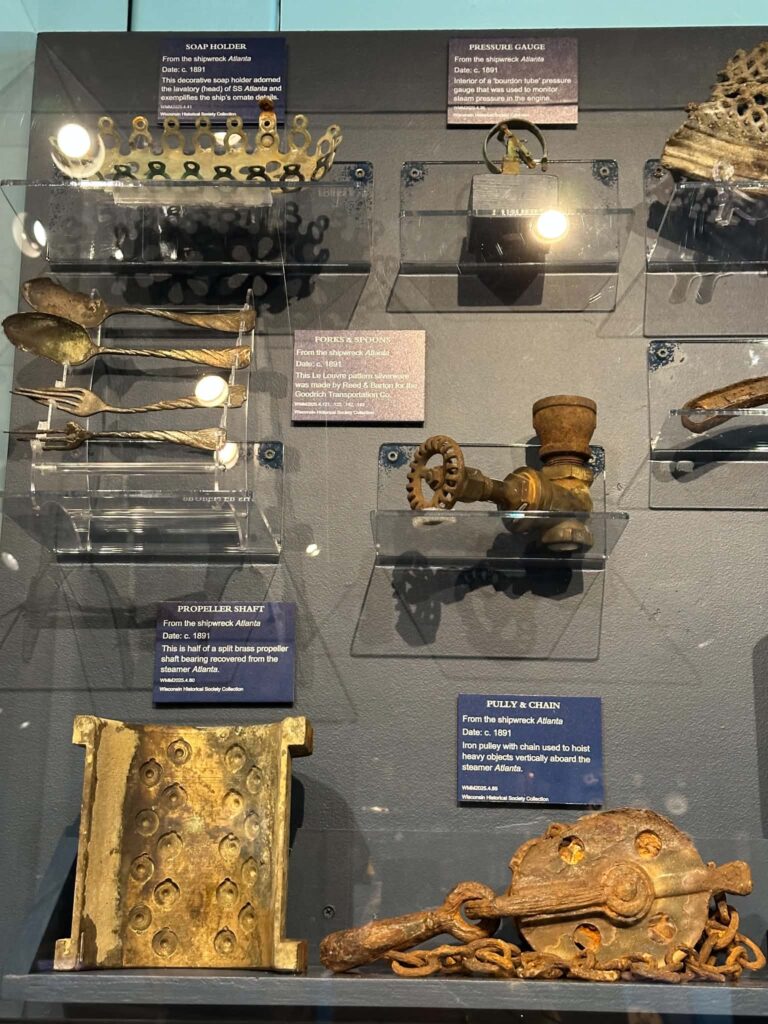
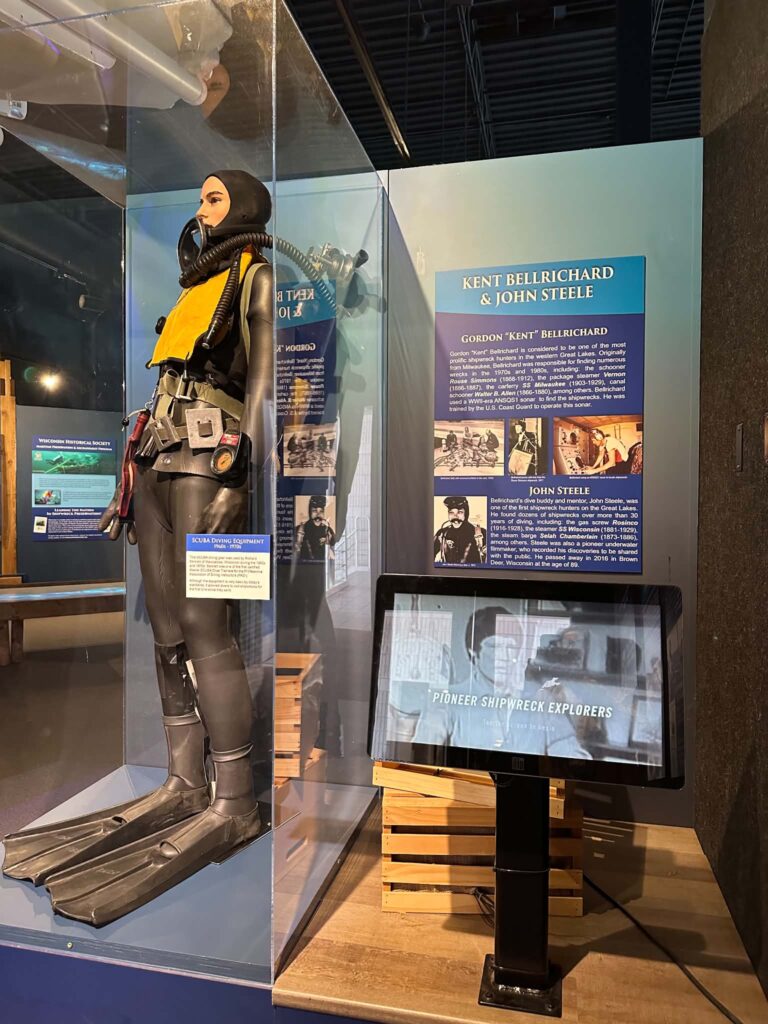
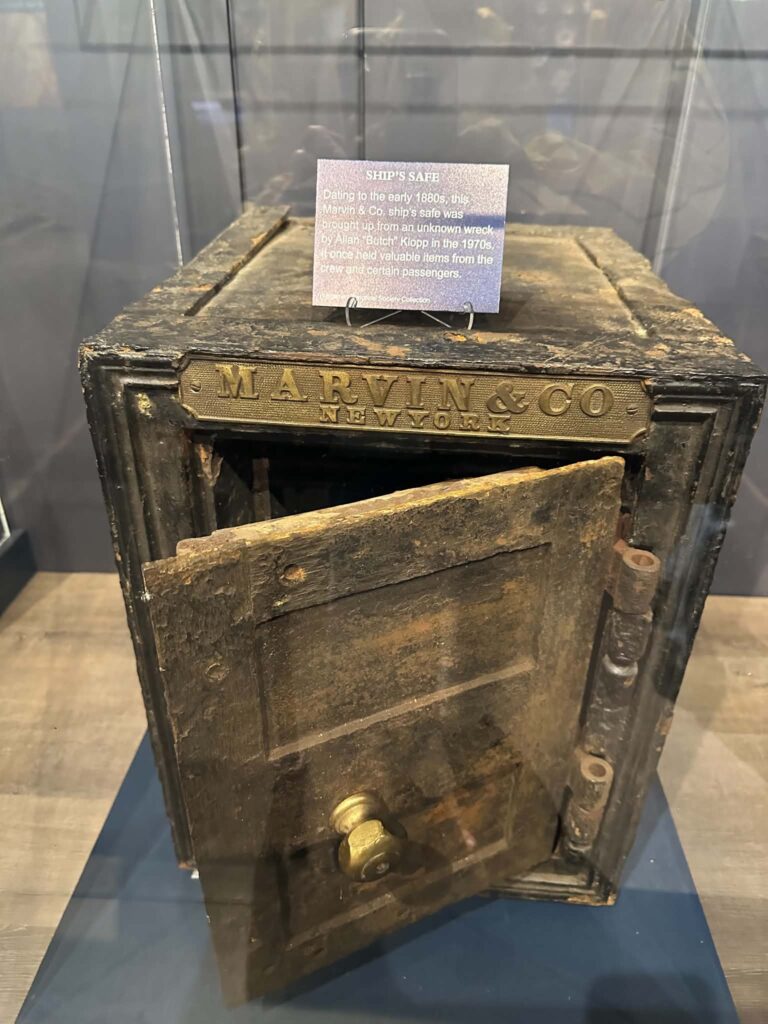
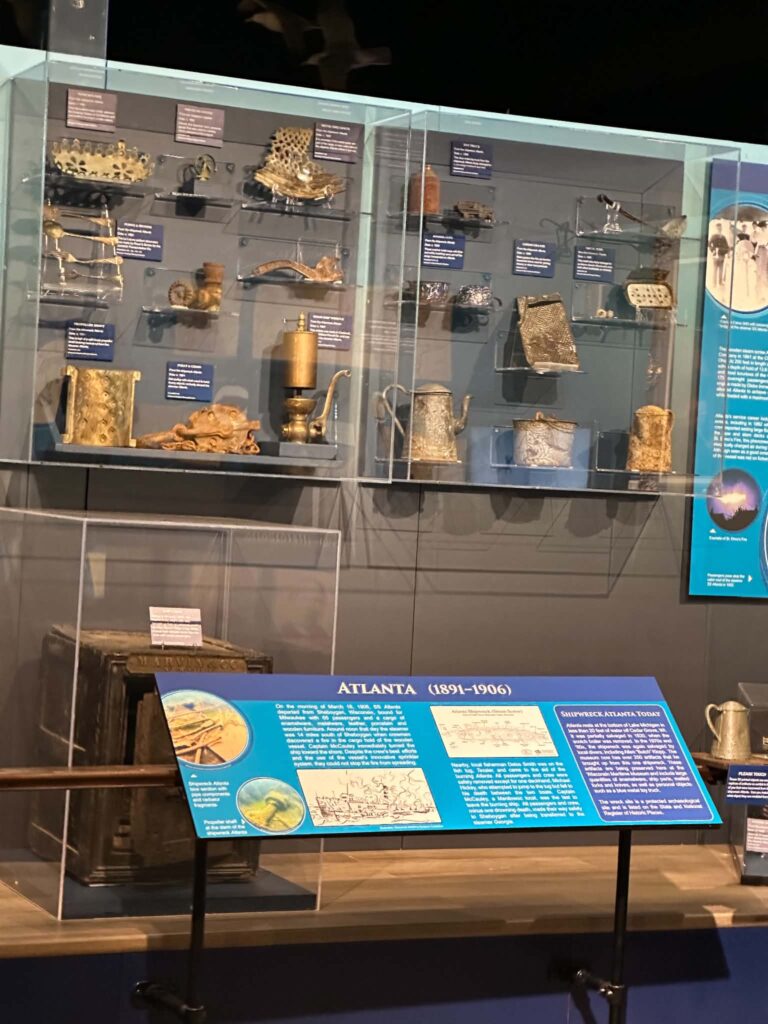
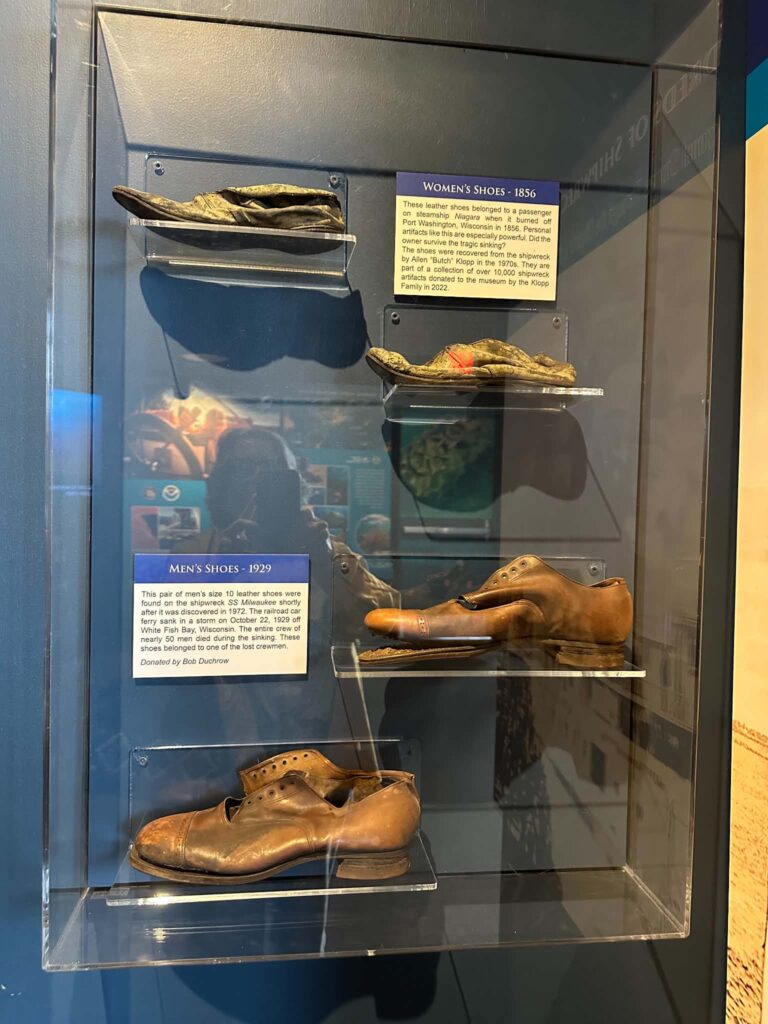
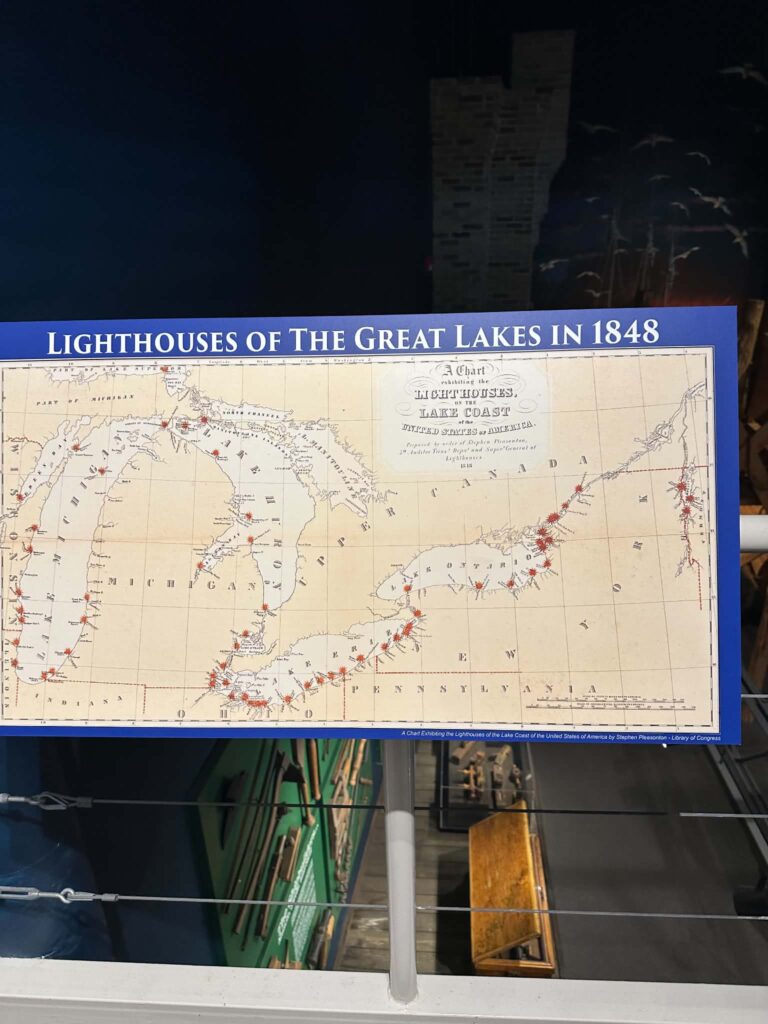
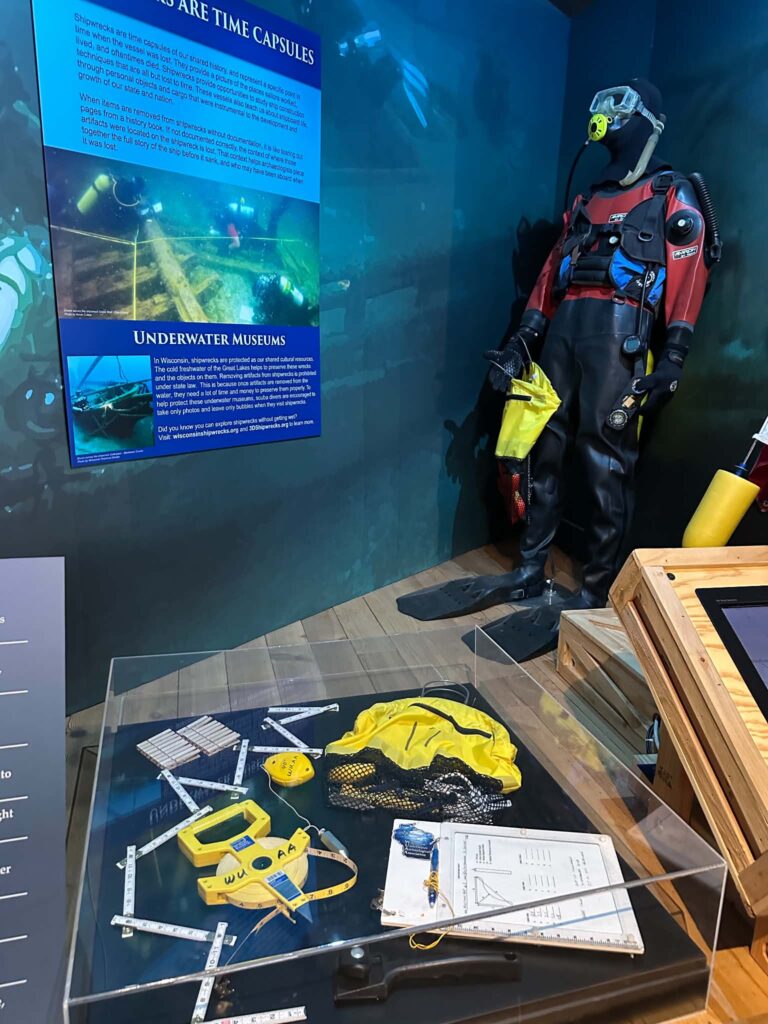
Wisconsin’s Shipwreck Coasts and USS Cobia Below the Surface dig into two different kinds of danger — the shipwrecks scattered across Wisconsin’s coastline, told through artifacts and the stories of the divers who found them, and a recreation of what it felt like aboard Cobia during an actual wartime depth-charging.
Turning the Tide covers a lesser-known piece of Manitowoc’s WWII record: the shipyard built more than 1,400 Landing Craft Tanks, the vessels that helped land troops and armor on D-Day and other amphibious assaults.
Wisconsin-Built Boat Gallery, presented by the Manitowoc Company, puts you up close with actual boats built by Wisconsin craftsmen over the past 150 years.
Attack of the Sea Lampreys! is the museum’s answer to “why do the Great Lakes have an invasive species problem,” with a seasonal live tank of the eel-like fish that slipped in through shipping canals and reshaped the region’s fisheries.
For families, the Waterways Room lets kids operate locks and dams and sail their own boats down a mock river system, and the Little Lakefarers Room is a quieter hands-on space for younger children to look through a periscope and play.
Check the museum’s exhibits page before you go, since the lower Riverside Gallery rotates special exhibits throughout the year — as of 2026, that’s included a Great Lakes surfing exhibit and a permanent installation built around self-unloading bucket technology salvaged from a Sturgeon Bay shipwreck.
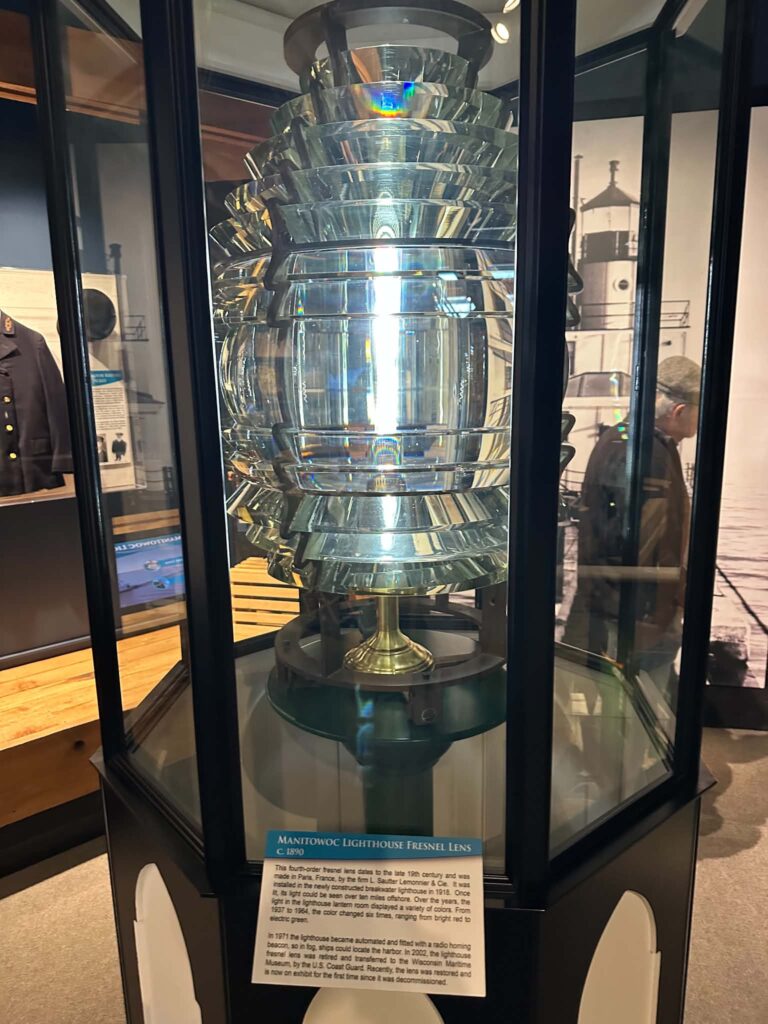 Wisconsin Maritime Museum
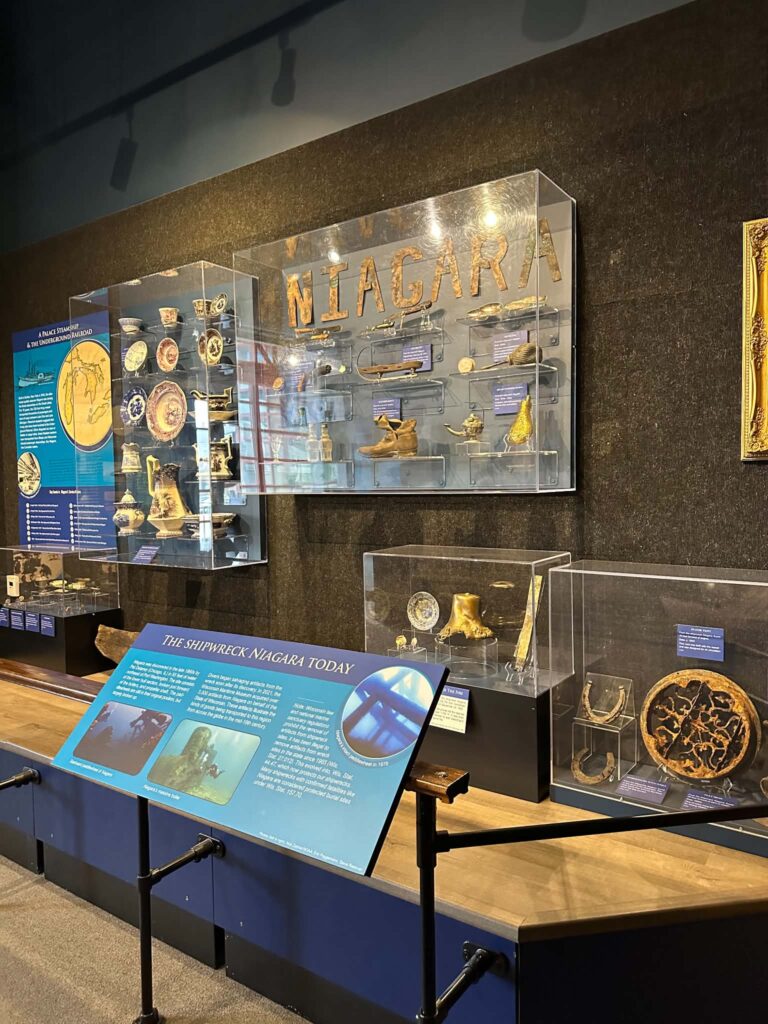 Wisconsin Maritime Museum
 Wisconsin Maritime Museum
 Wisconsin Maritime Museum
 Wisconsin Maritime Museum
 Wisconsin Maritime Museum
 Wisconsin Maritime Museum
 Wisconsin Maritime Museum
 Wisconsin Maritime Museum
 Wisconsin Maritime Museum
 Wisconsin Maritime Museum
 Wisconsin Maritime Museum
 Wisconsin Maritime Museum
 Wisconsin Maritime Museum
Special Experiences: Sub BnB, Lighthouse Tours & Sub Pub
Stay overnight on the submarine. This is the one that surprises most first-time visitors: the museum runs overnight stay programs where guests can actually bunk down inside Cobia, generally as part of scheduled group or family events. It’s become one of the more talked-about things to do in Manitowoc precisely because it isn’t something you can do most places. Check the museum’s overnight stays page for current dates and booking details.
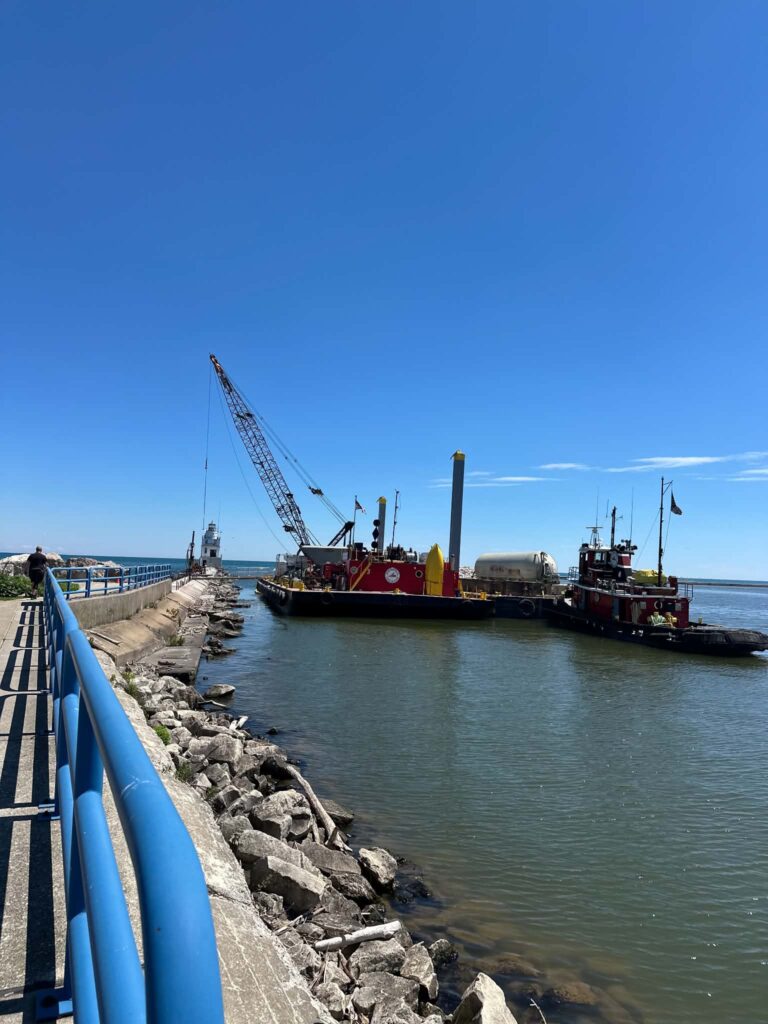
Manitowoc Breakwater Lighthouse Tours. In partnership with the Manitowoc Sunrise Rotary Club, the museum runs guided tours of the 1918 breakwater lighthouse out on Lake Michigan during the summer season. Note that the lighthouse isn’t reachable directly from the museum building itself — it’s a separate stop, so plan it as its own outing.
Sub Pub Rooftop Bar. For visitors 21 and up, the museum’s rooftop bar overlooks the river and the submarine, and it’s a genuinely good sunset spot in a town not overloaded with rooftop options.
Planning Your Visit
Getting there and parking: Free parking is available on the west, north (across the street), and east sides of the building, plus on-street parking nearby. Accessible spaces are marked in the west and north lots. If you’re arriving in an RV, with a trailer, or by bus, the east lot is the recommended spot. Overnight parking is allowed in all three lots.
Public transit: The museum sits directly on the Maritime Metro Transit line, with a stop right outside.
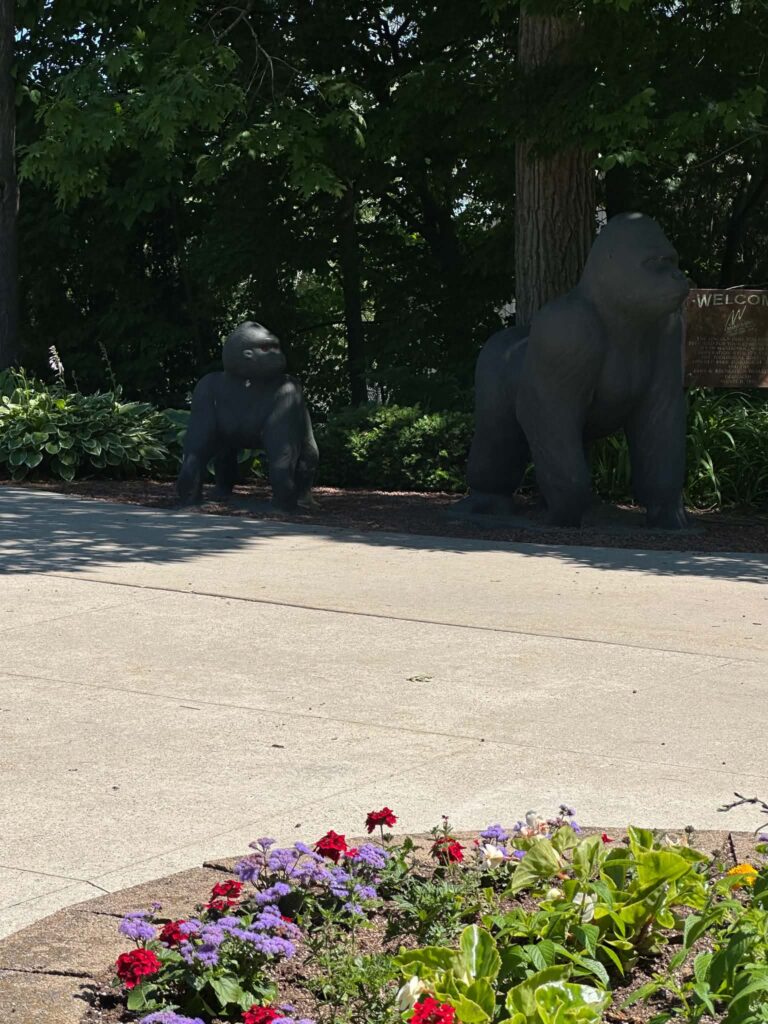
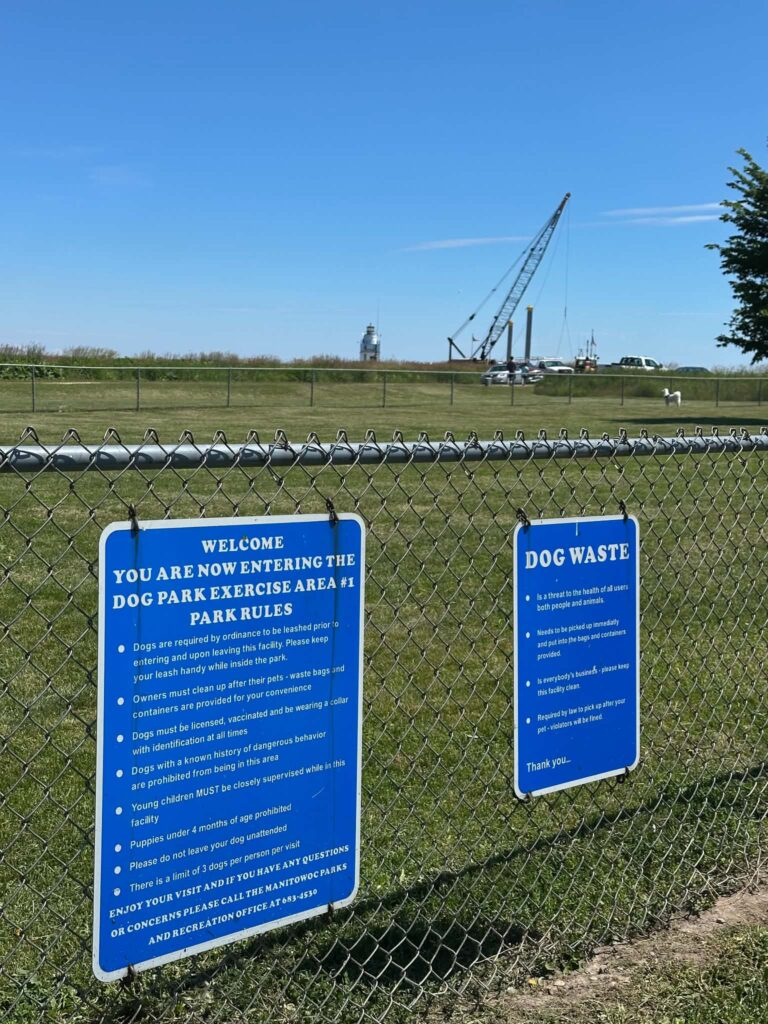
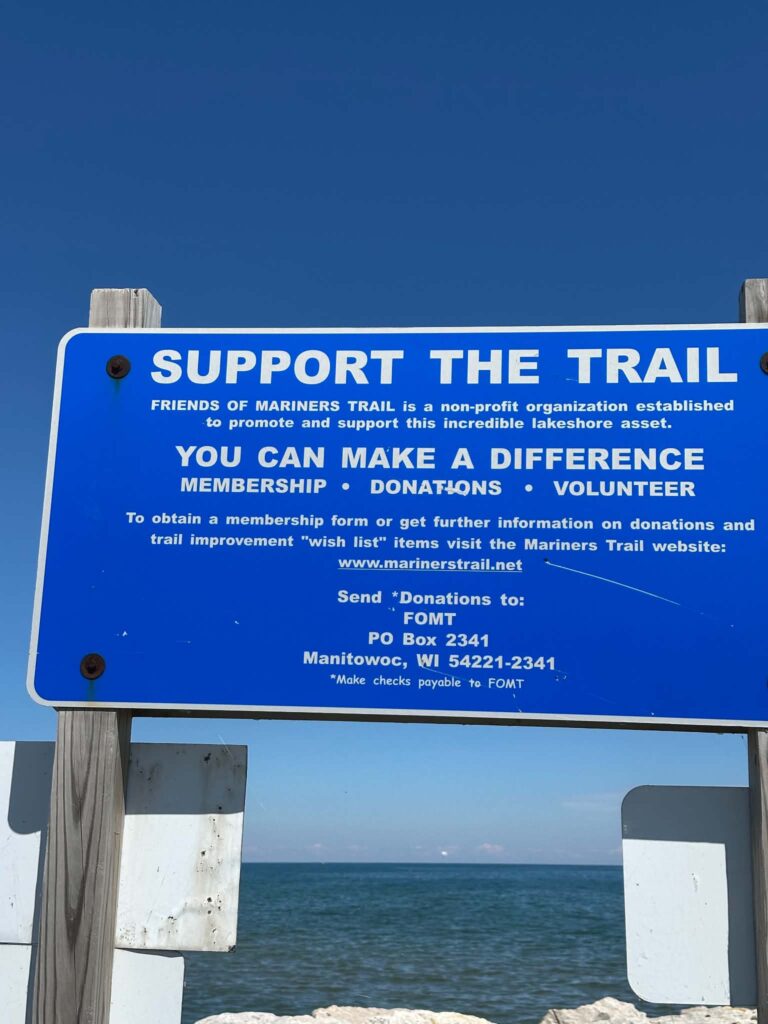
On foot: The museum connects to the Mariner’s Trail and the Ice Age Trail, and it’s within walking distance of the S.S. Badger Carferry dock — worth knowing if you’re combining a museum stop with a ferry crossing to Michigan.
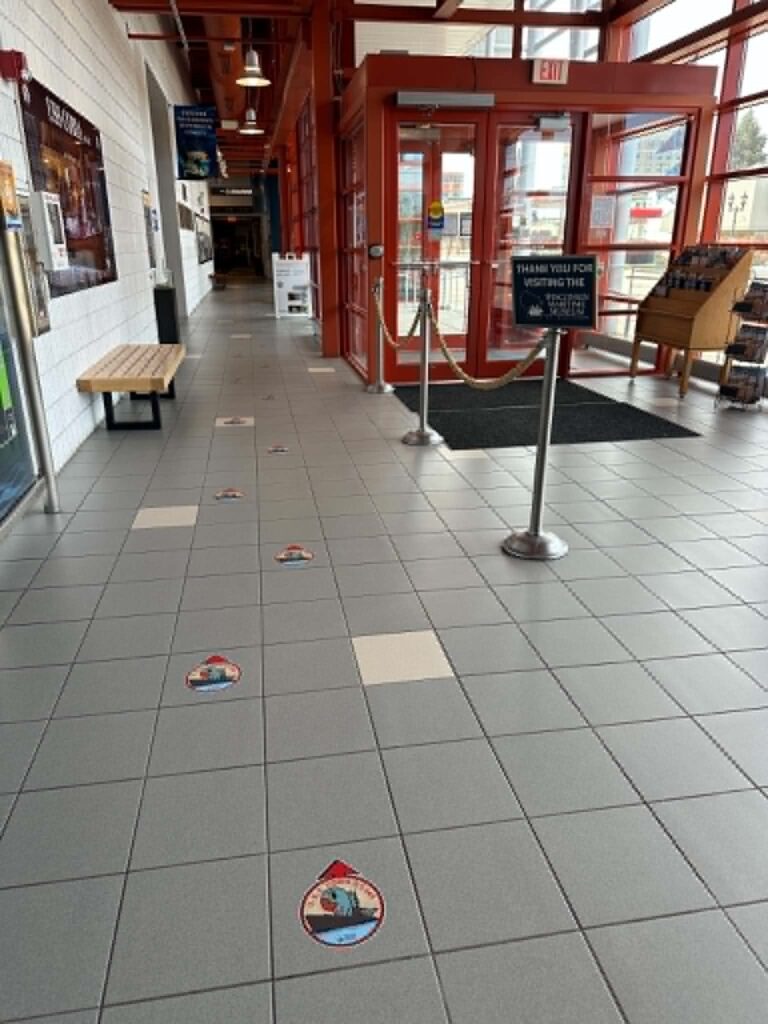
Food: No food or drink is allowed in the gallery areas themselves, but there are vending machines and small tables near the front lobby, and infant feeding is welcome anywhere in the building.
Photography: Regular phone and camera photography is fine; flash photography and video recording are not allowed.
What’s not allowed: backpacks and large bags (secure them in your car, or ask staff about alternate arrangements), animals other than service animals, smoking or vaping anywhere inside the building or aboard the sub, and firearms or weapons.
Accessibility Notes
The museum building itself is designed to be navigable, with marked accessible parking in the west and north lots. The submarine is the real constraint here — like any WWII-era sub, Cobia has steep ladders and tight hatches between compartments that weren’t built with wheelchairs or mobility devices in mind. If that’s a concern for your group, the museum’s dedicated accessibility page outlines what to expect deck by deck, and staff can talk through options with you before you buy tickets. Caregivers accompanying a guest with a disability are admitted free, and service animals are welcome throughout the building and aboard the sub.
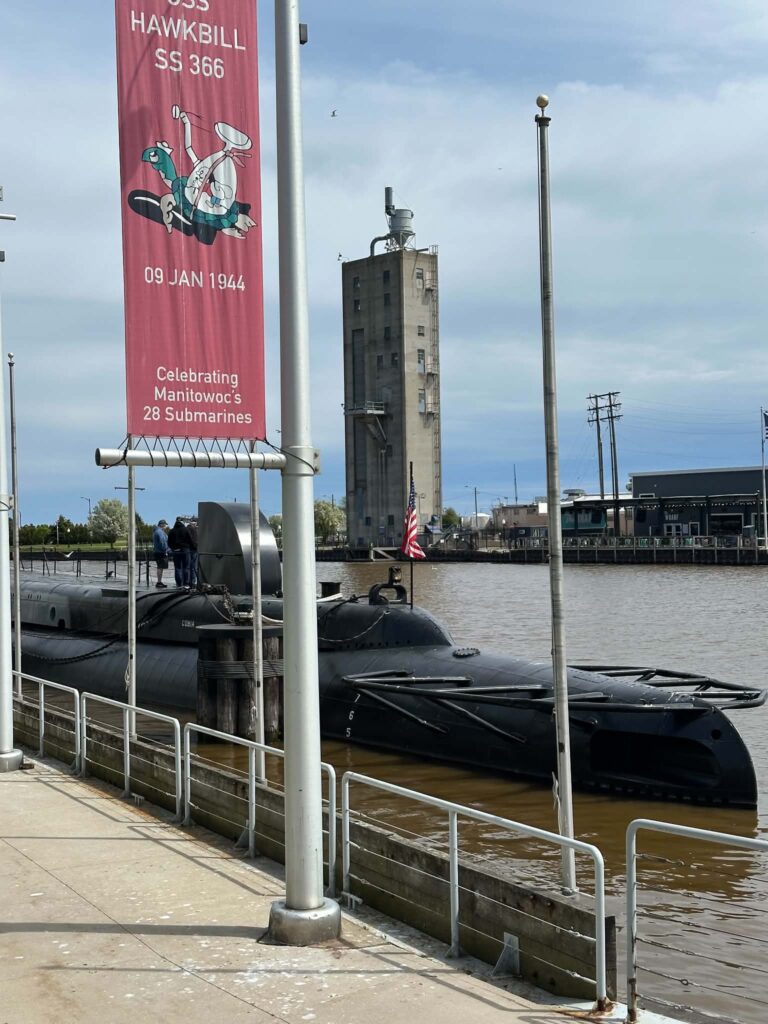 USS Cobic, docked, Manitowic
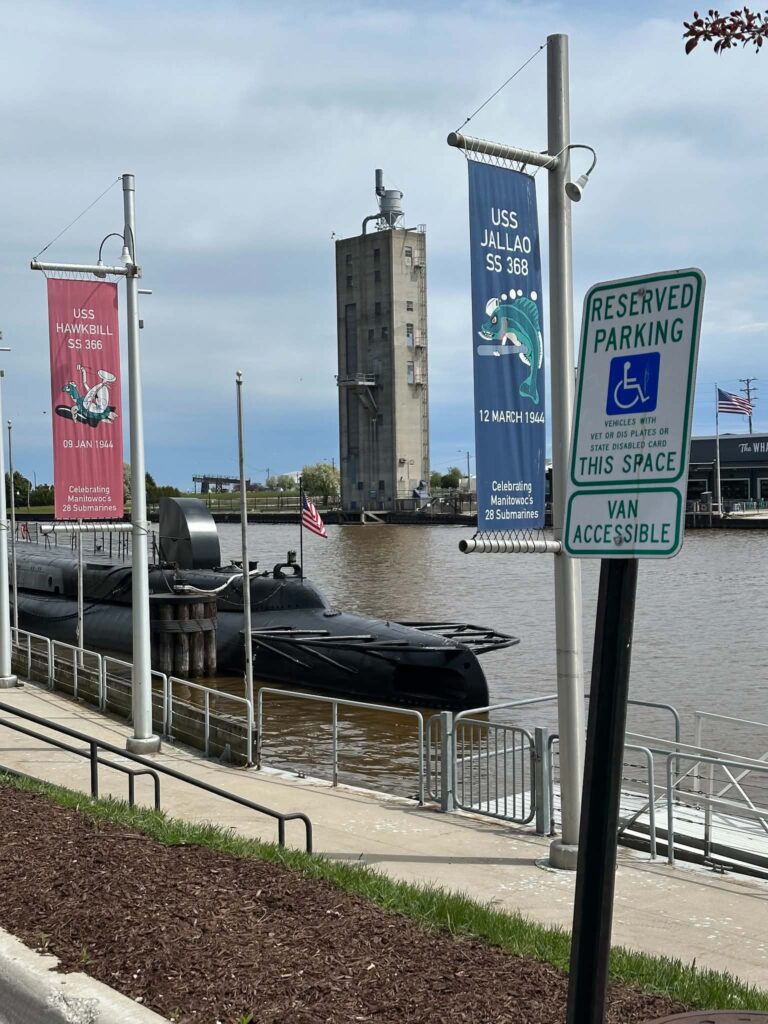 USS Cobic, docked, Manitowic
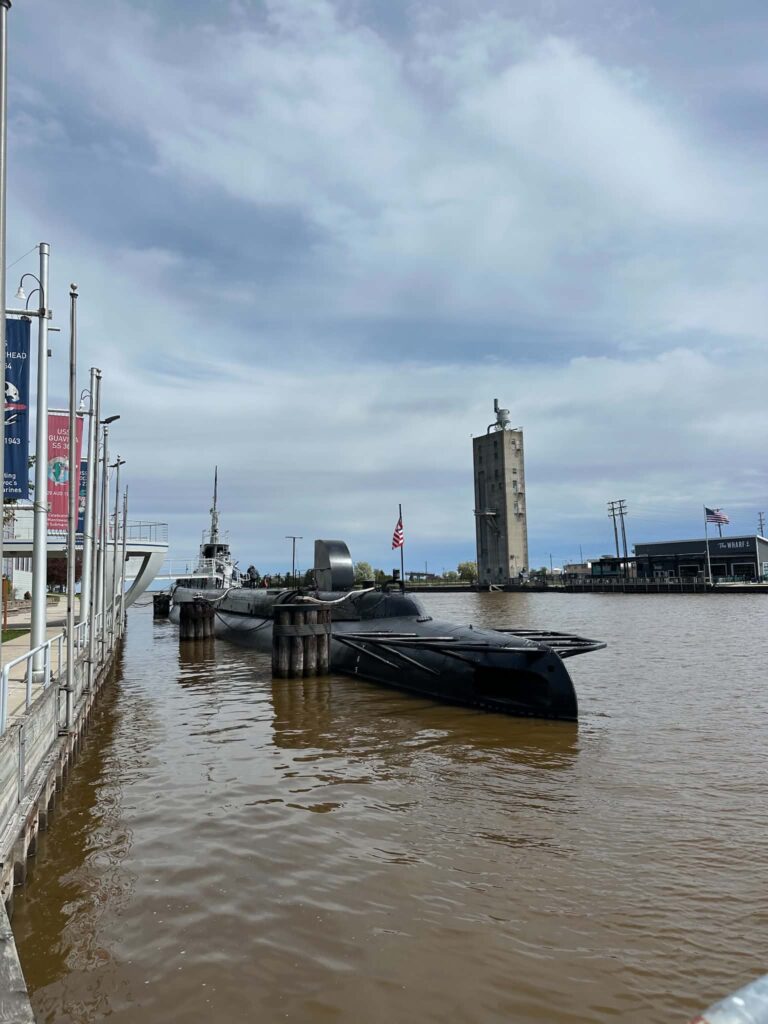 USS Cobic, docked, Manitowic
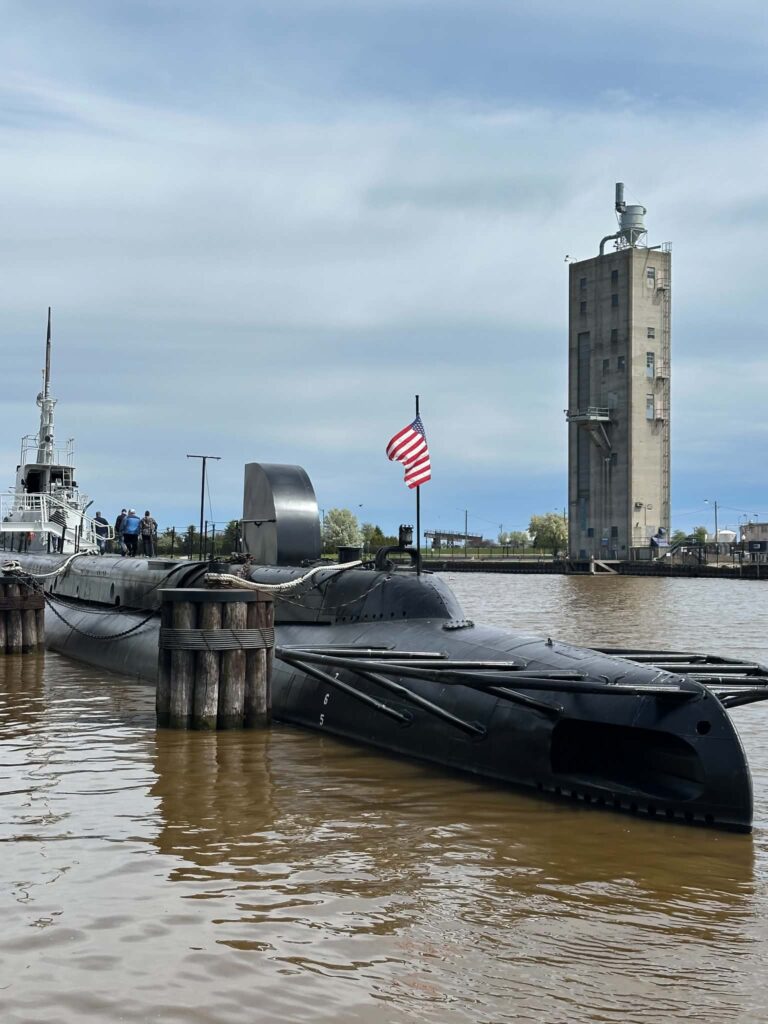 USS Cobic, docked, Manitowic
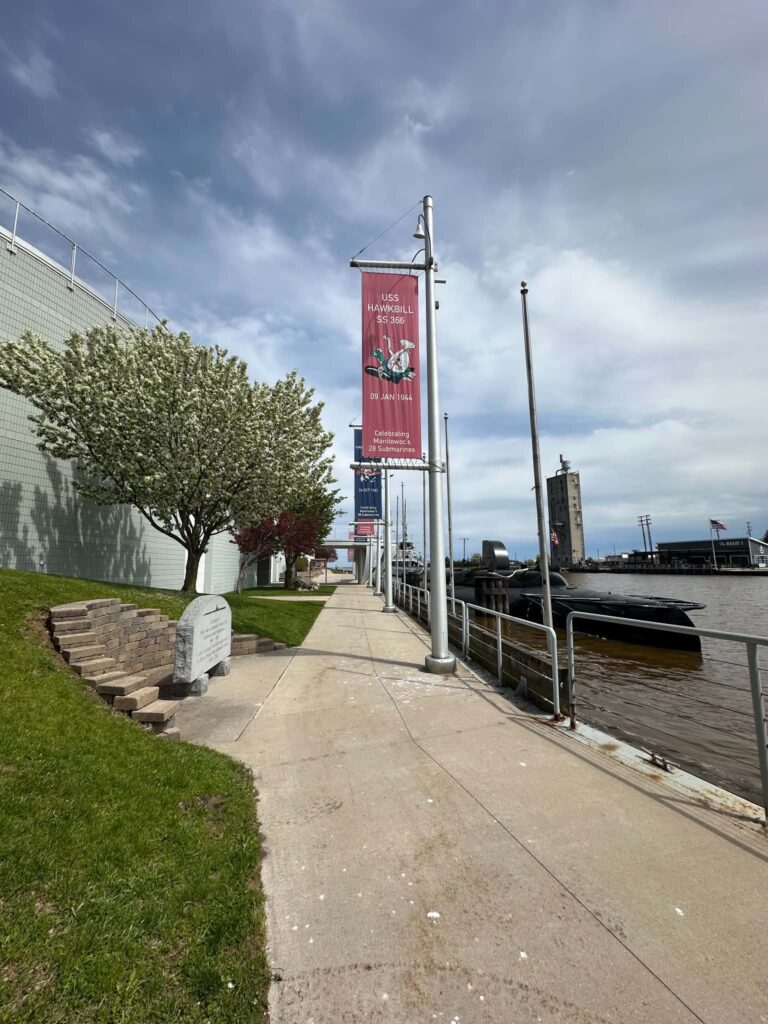 USS Cobic, docked, Manitowic
Nearby & Worth Combining
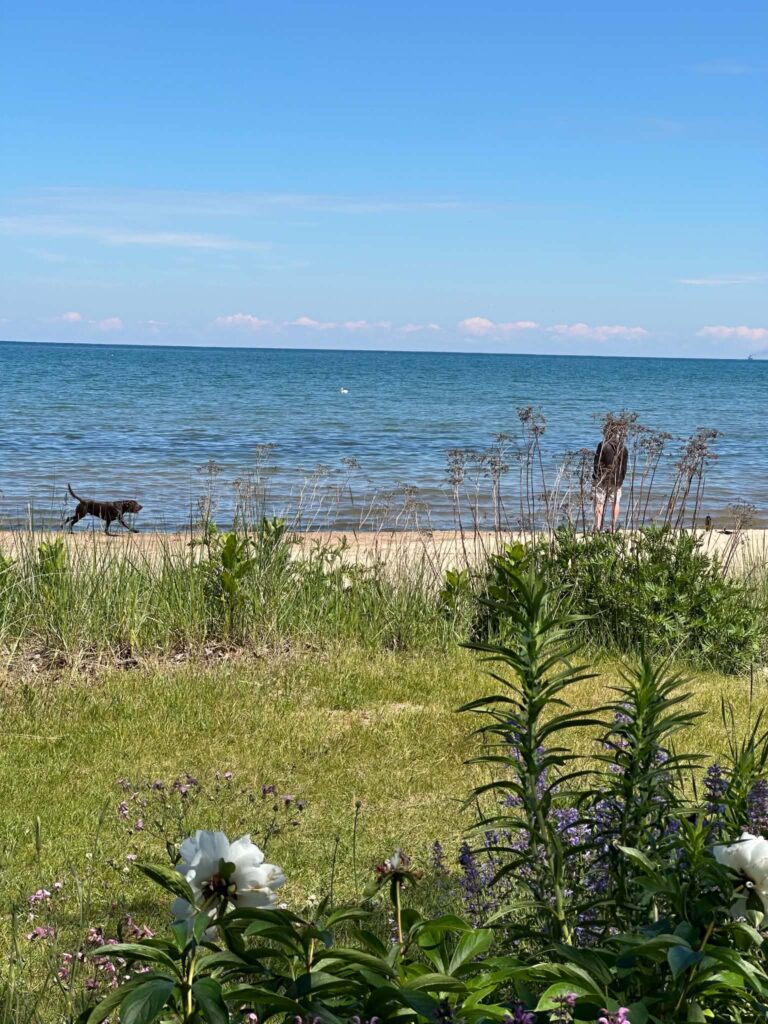
Manitowoc’s downtown riverfront makes it easy to turn this into a half-day or full-day stop. The S.S. Badger Carferry dock is a short walk away if you’re crossing Lake Michigan to Ludington, Michigan, and the Mariner’s Trail runs along the lakeshore for anyone who wants a walk or bike ride after a few hours indoors. If you’re building out a longer Wisconsin coastal trip, Manitowoc pairs naturally with stops further up the Lake Michigan shoreline toward Two Rivers and Door County.
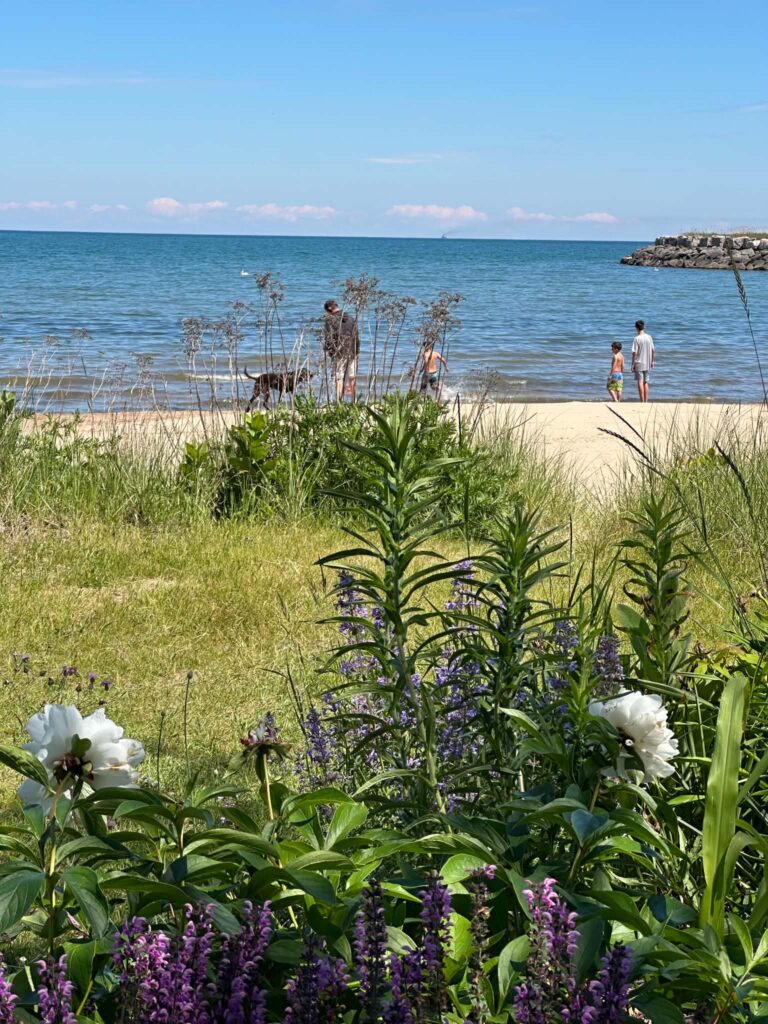 Mariners Trail
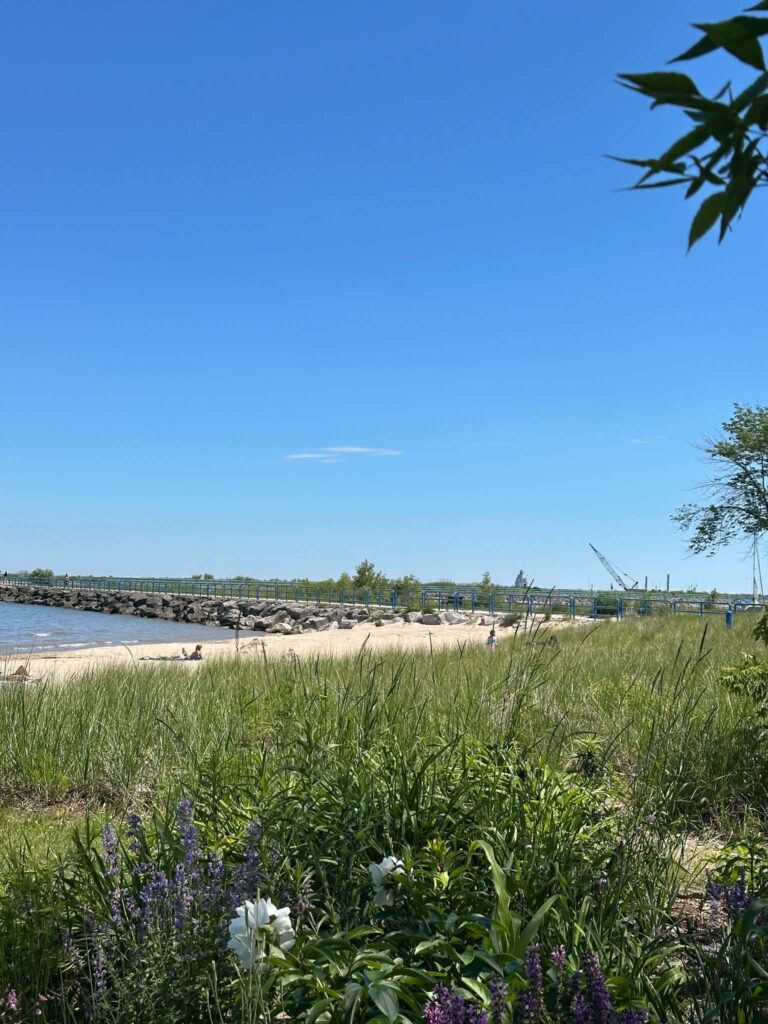 Mariners Trail
 Mariners Trail
 Mariners Trail
 Mariners Trail
 Mariners Trail
Frequently Asked Questions
Most visitors budget 1.5 to 2 hours for the galleries plus a self-guided submarine tour. If you’re taking the guided Cobia tour, add 45 minutes on top of that. Based on visitor reports, a lot of people end up wishing they’d blocked out closer to 3 hours, especially with kids who linger in the Waterways Room or history buffs who read every placard in the shipwreck and shipbuilding galleries.
Not exactly, and this trips people up. Cobia was built by the Electric Boat Company in Groton, Connecticut, then donated to the museum by the U.S. Navy in 1970 as a memorial. She represents the 28 Gato– and Balao-class submarines that Manitowoc Shipbuilding Company actually built during WWII (those subs were floated down the Mississippi to reach the ocean). Cobia is a Gato-class boat of the same design, which is why she stands in for the local-built subs — but she herself wasn’t built on the Manitowoc River.
Yes — the galleries and the submarine interior are both fully indoors, which makes this a solid option when the weather along the lakeshore turns. Just double-check you’re visiting on an open day during the October–May schedule, since the museum is closed Tuesdays and Wednesdays in that stretch.
Worth knowing before you buy tickets: Cobia is a real WWII fleet submarine, not a mock-up, so passageways are narrow, ceilings are low in places, and you move between compartments through round hatches and steep ladders. Multiple visitors compare it favorably to other preserved submarines (like USS Bowfin in Hawaii) as feeling a bit roomier, but if you’re prone to claustrophobia, the self-guided tour lets you move at your own pace and back out early if you need to — the guided tour keeps a fixed pace with the group.
The standard self-guided and guided tours don’t have a published minimum age, but young children will need to be able to climb ladders and step through raised hatch thresholds on their own or with help, since strollers and wheelchairs can’t go inside the sub.
Yes — this is the museum’s “Sub BnB” or overnight stay program, and it’s genuinely one of a kind. Participants get a guided tour, supervised access to some non-public areas of the sub, educational activities, and overnight accommodation aboard Cobia itself, plus museum admission. These run as scheduled events rather than a nightly booking option, so check the museum’s overnight stays page for the current calendar and pricing before you plan around it.
Yes, there’s an on-site museum store, and a selection of items (books, submarine memorabilia, apparel) is also available through the museum’s online shop for anyone who wants a souvenir without visiting in person.
The museum building itself — both gallery floors, restrooms, and the front desk area — is accessible, with marked accessible parking in the west and north lots. The submarine is the exception: its original ladders and hatches were not designed for mobility devices, so touring the interior of Cobia with a wheelchair or significant mobility limitation isn’t feasible.
Only service animals are permitted inside the museum building and aboard the submarine — general pets aren’t allowed, including on the sub, where the tight spaces and ladders make it impractical regardless of museum policy.
Manitowoc sits roughly 45 minutes to an hour north of Sheboygan and about an hour south of Green Bay along the Lake Michigan shoreline, making it an easy day trip from either direction, or a natural stop if you’re already driving the coast toward or from Door County.
More of Wandering Michigan Wisconsin
Lake Michigan Circle Tour: All 4 States, One Local Guide (2026)
Best Lake Michigan Beach Towns: All 4 States Covered (Local Guide 2026)
Car Ferry Across Lake Michigan: SS Badger & Lake Express Guide (2026)
Pictured Rocks: What’s Worth It and What to Skip (2026)
17 Best Things To Do at Tahquamenon Falls